

Bodrum with it’s imposing waterfront castle is a fascinating place. The harbour does not have a good reputation in rough weather so we instead opted to anchor in a bay further away and catch a taxi into the town. Kara had landed at Bodrum airport the previous evening and had a short journey to meet us at our Guvercinlik anchorage on the northern side of the Bodrum peninsula. Steve’s departure point was Bodrum so after one night’s crossover we all travelled to Bodrum where Steve had a hotel room for the night before his flight. We decided that this would be our best chance to see the UNESCO World Heritage listed monument – Bodrum Castle. Unfortunately for us the castle was overrun by cruise ship passengers and we had to wait 45 minutes in the heat of the day just to buy entry tickets – but it was worth it.

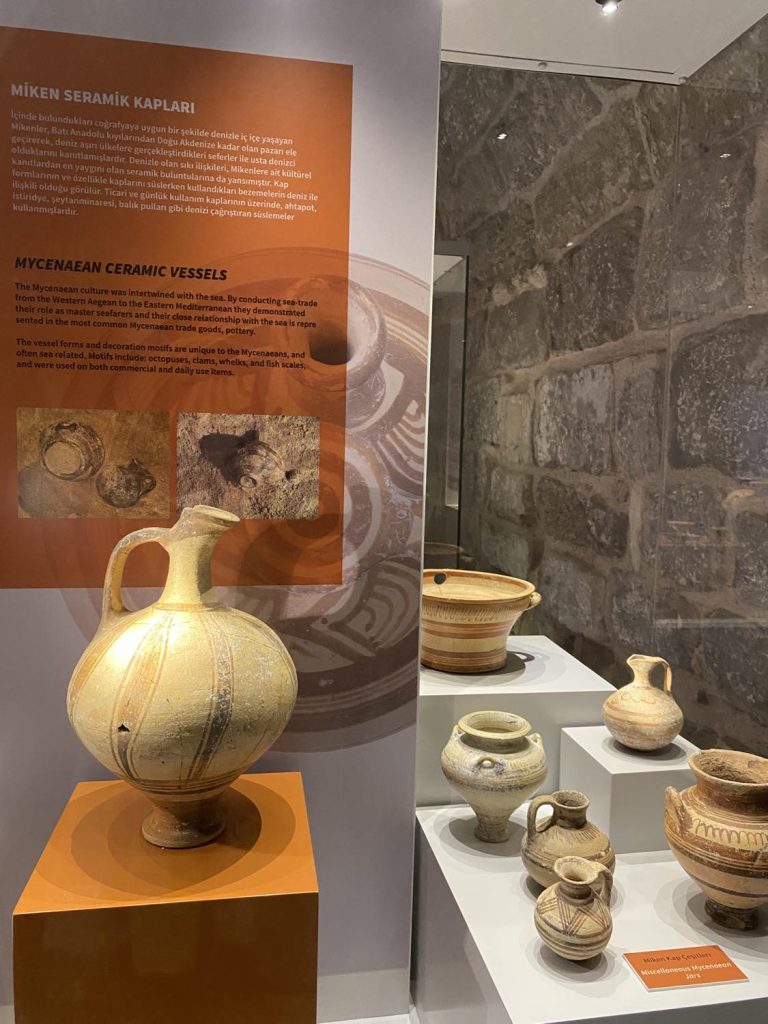
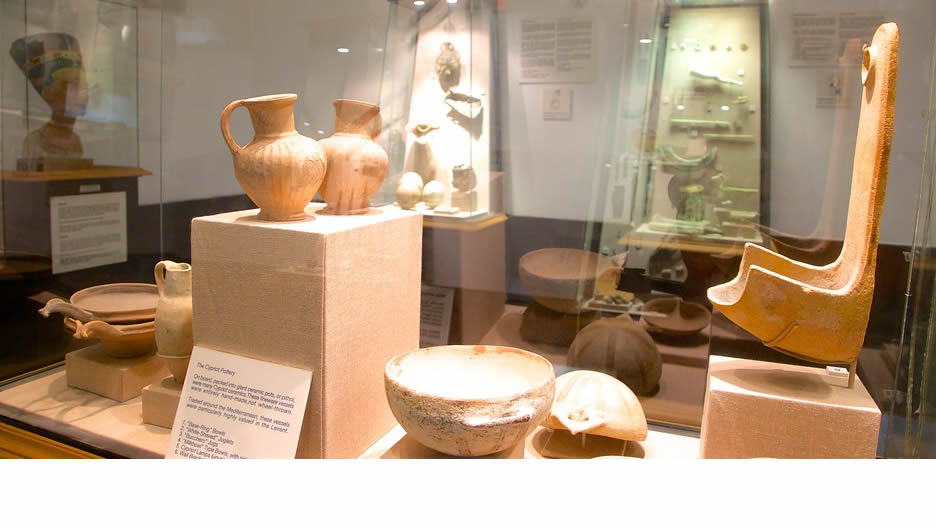
The exterior of the castle is an imposing structure while internally there are many smaller stone buildings – which would have served as troop garrisons, storehouses etc – now converted into individual museums displaying antiquities and exhibitions of vases and amphoras from the Mycenaean age and findings from the Bronze age together with the items recovered from the many shipwrecks around the coast in the Underwater Archaeological Museum.


There is not much definitive evidence on the early origins of Bodrum Castle due to earthquake and wars but it is commonly thought that the King of Mausolus built his palace here around 377 to 353 BCE. Much of it was destroyed by Alexander the Great (356 BCE – 323 BCE).
A fortified castle was built on the same sight by the Order of St. John of Jerusalem (also called Knights of St.John, Knights Hospitallers, Knights of Rhodes) at the beginning of 15th century A.D. and traces of the ancient Maussolleion ruins were used as construction materials which can be seen in the walls of the present Castle.
In the Ottoman period the Castle was used as a small garrison base with additions like minaret on the (Christian) chapel and a Turkish bath (hamam). In 1895 the Castle was transformed into a prison. During the 1st World War, on the 26th of May 1915, the castle was bombed by a French battleship and suffered so much damage that the castle was evacuated. Later in the war when the Italians invaded Bodrum they made repairs, posted their own soldiers at the castle, and occupied it as their military headquarters. During the 2nd World War, the Castle was again used as a military base.
No visit to Turkey would be complete without a visit to the barber – a uniquely Turkish experience.
We found this one man barber shop in the back streets of Bodrum. Your visit begins with a welcome drink of Cay (pronounced Chai) which is Turkish black tea. Next it’s the actual haircut followed by some ‘manscaping’.
This involves a firey cotton ball on a stick dipped into methylated spirits which is then set alight and used to singe the surplus hair in the ears and nose. It looks very scary but it didn’t hurt me a bit! After a quick wash and some facial massage with oil we departed with less hair and only paid EUR 8 – such a bargain.
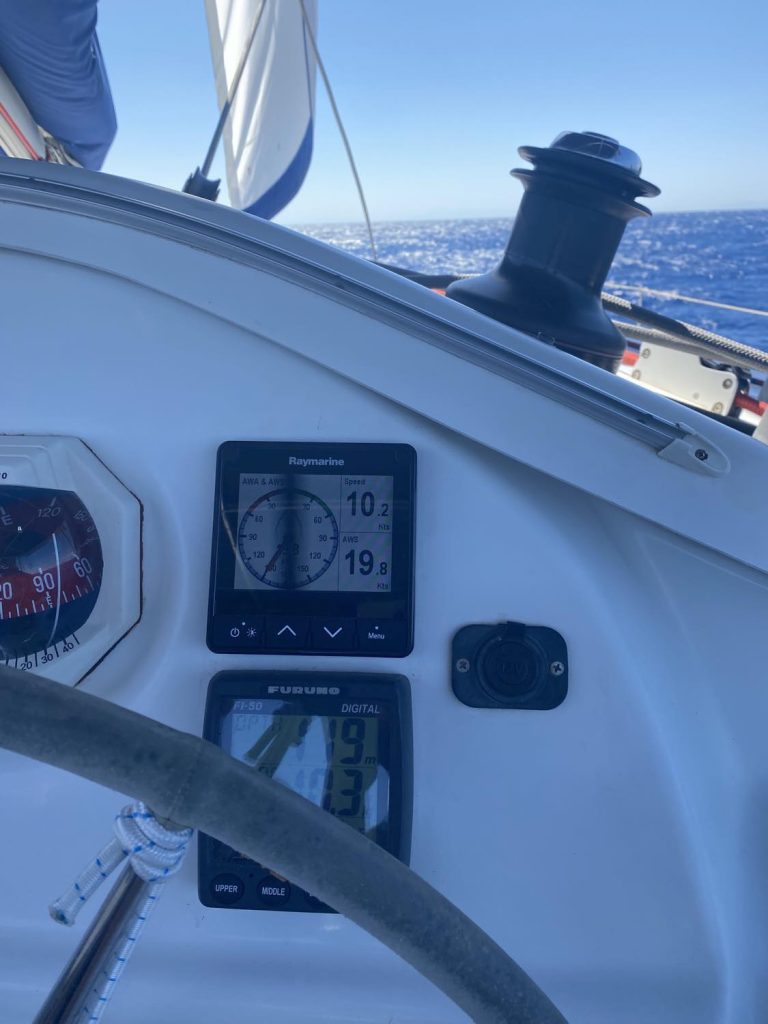
With the arrival of Kara/departure of Steve we were back in balance and once more on the move. Our passage around the western end of the Datca peninsula proved very exciting with our fastest speeds of the season so far, hitting just over 10 knots under a reefed down mainsail and jib. Until …. all hell broke lose … “FISH ON” was the call. Quick, get the sails in (Kara and I) while John was on the fishing rod with line zinging out. It was a very exciting 20 minutes, especially when the fish jumped. Kara was standing by with the knives and forks and of course wasabi! After all this effort John got it right up to the back of the boat and it was a beautiful huge blue and gold Dorado (Mahi Mahi). He must have decided not to join us for dinner because he took one look at us on the back of the boat, threw his head, broke the line and took off into the sunset!


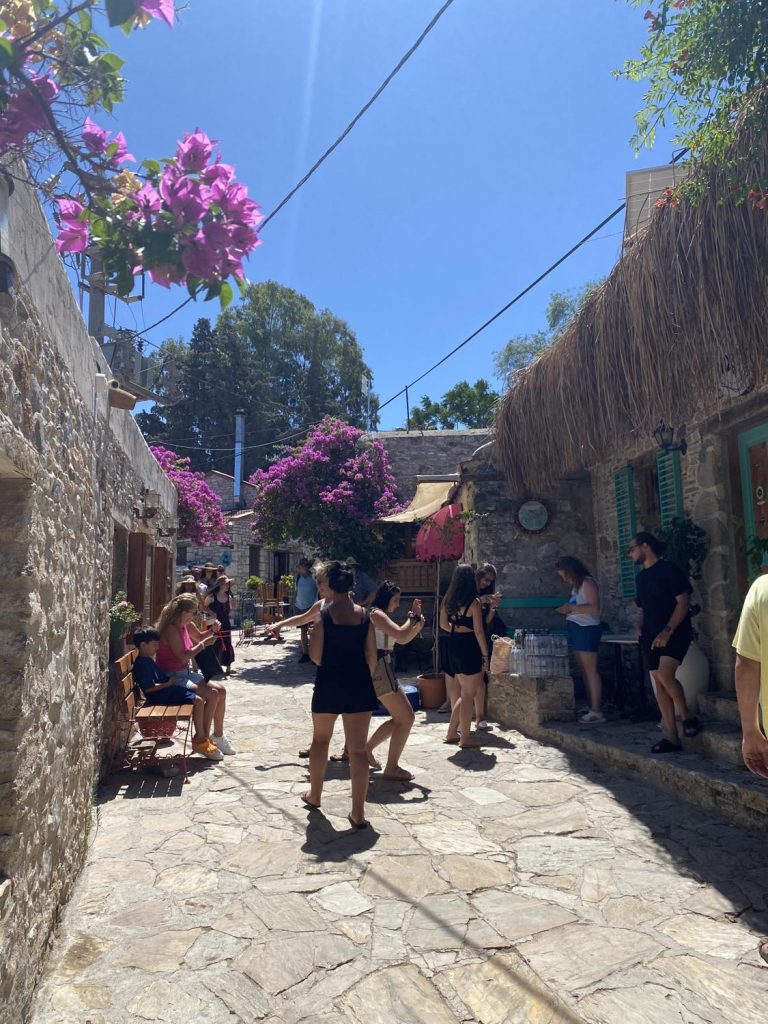
We anchored out in the North bay at Datca and were joined by our friends Russ and Cathie on Vanilla. We ventured ashore for coffee, groceries, a lovely turkish meal in the backstreets of the port. We spent the next morning at the old city of Datca, called Eski Datca, a stone village full of pretty bougainvillea-lined laneways and crowded with tourists.


3 comments