

While in Kotor, Montenegro not doing much we wondered where to go next – “never been to Scotland” so lets go there. Airfares were expensive and flights infrequent out of Montenegro so it was off to busy Dubrovnik by bus (2 hours north) to stay in the old city for a couple of nights followed by flights to Edinburgh with a low cost carrier, Jet2.
Dubrovnik, Croatia
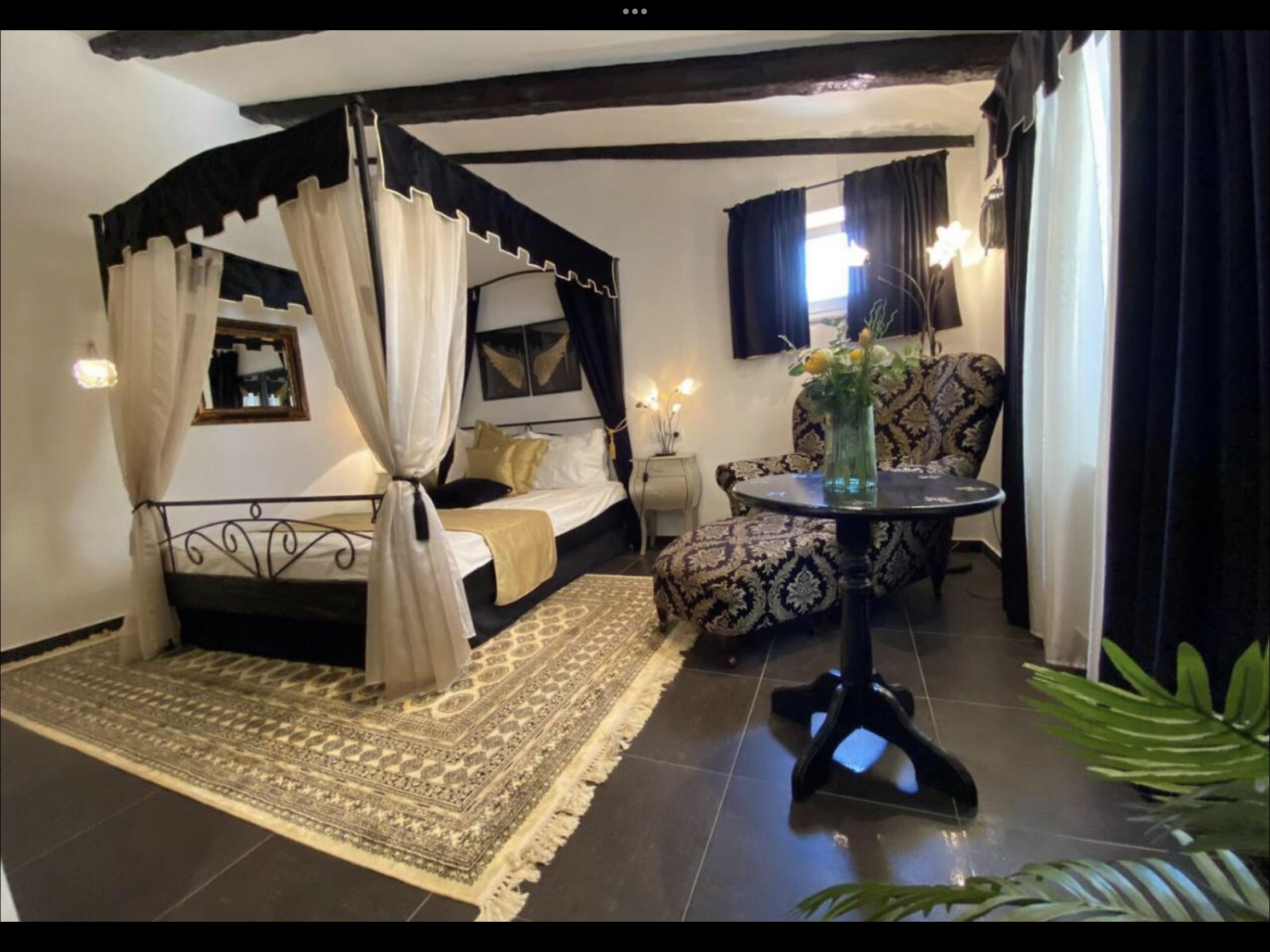
Dubrovnik was only a few hours travel north by coach and we booked a lovely room in a 17th century building inside the walls of the old city for three nights. The purpose of this was so that we wouldn’t have to do so much walking to see the sights. It was quite a shock seeing the number of tourists clamouring to pass through the old city gates and enter a world of cream coloured limestone paving and buildings of the old city and the many and varied ways to spend your holiday money (EUR 35 to walk on top of the walls!). We located our accommodation just off the main boulevard and then had to schlepp our bag up 5 flights of 17th century winding stairs to a lovely room with views over the rooftops. So glad we were travelling light!
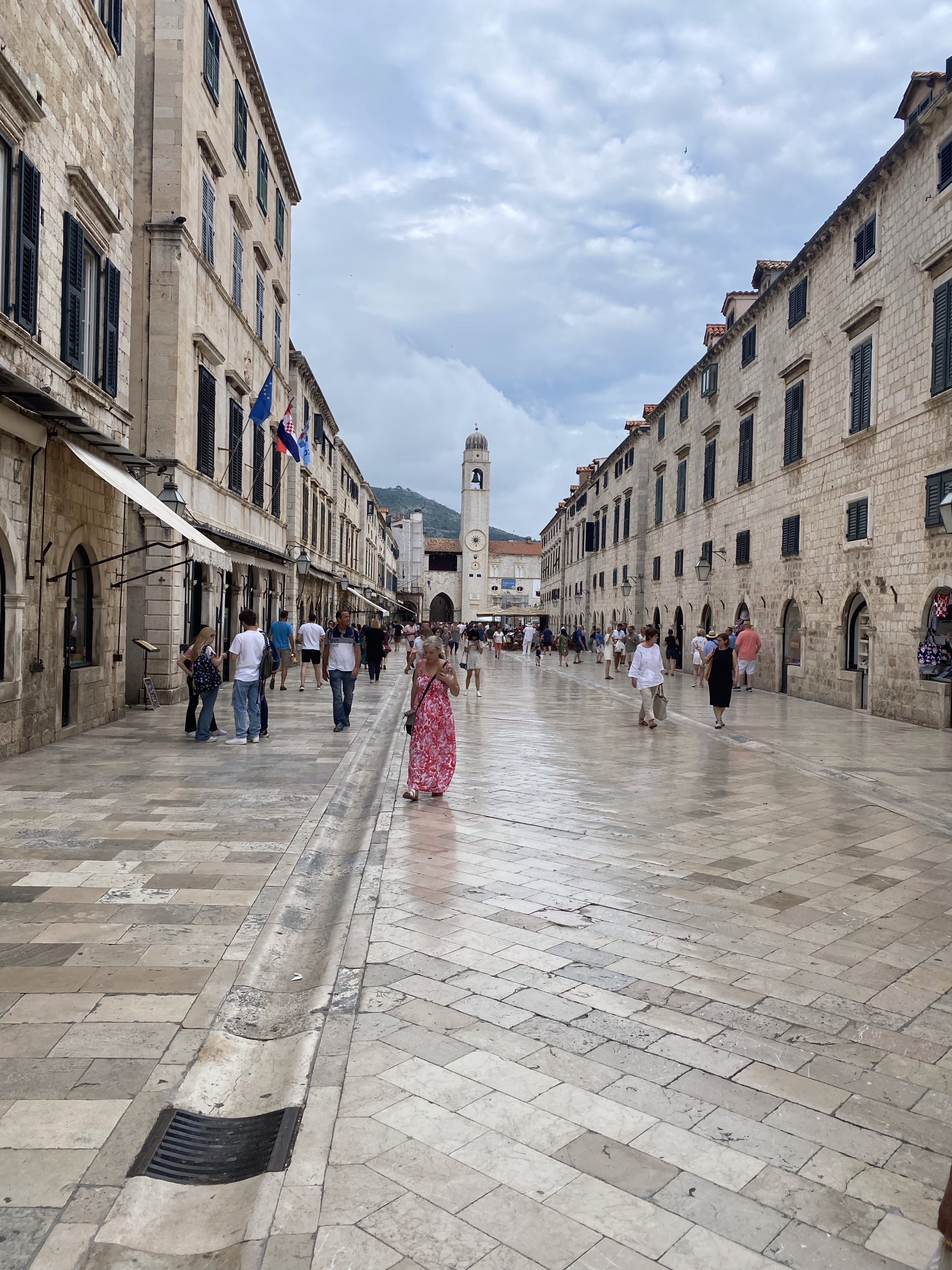
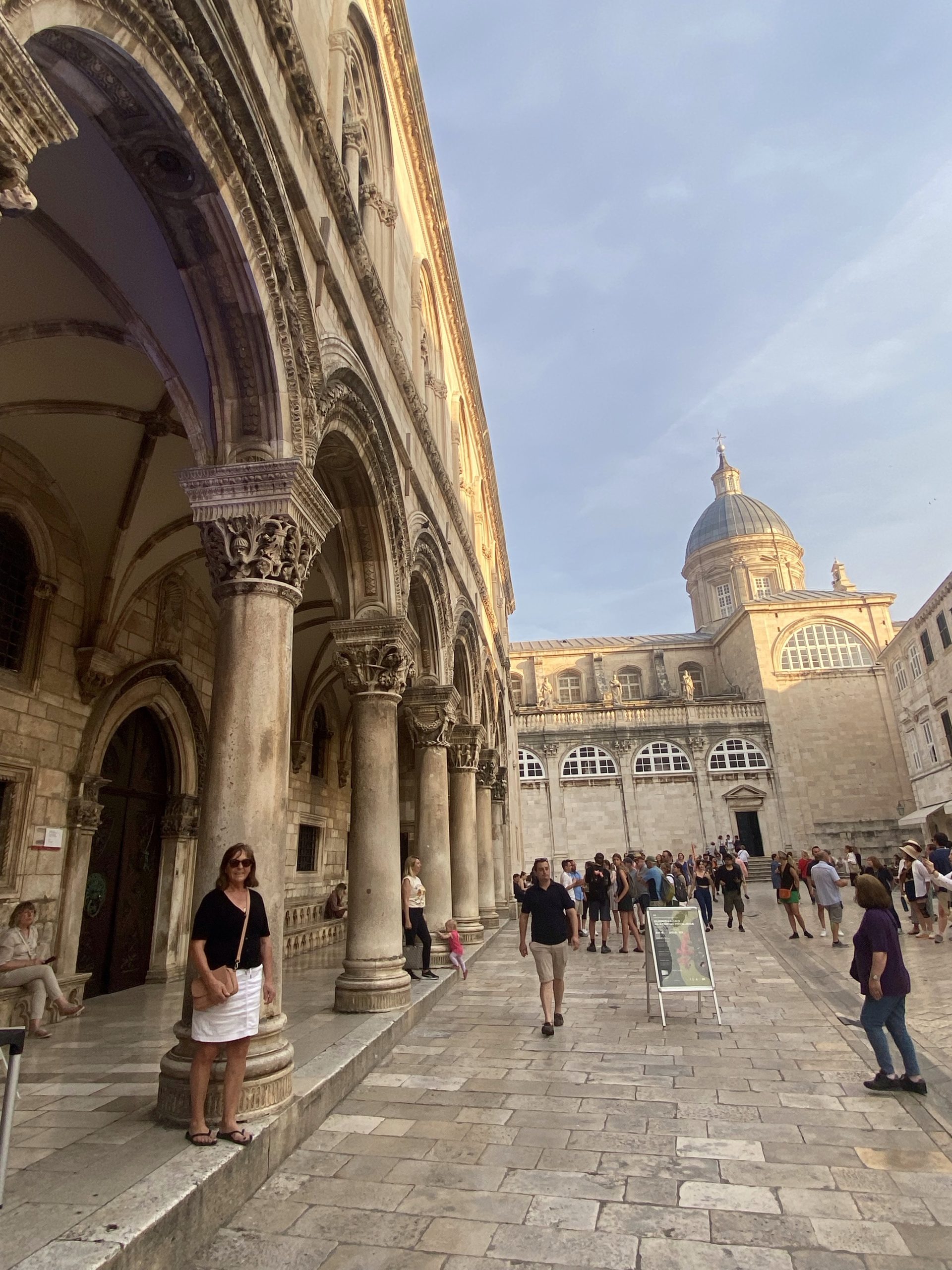
During the day it was wall to wall tourists in the streets and cafes until about 5pm when they were called back to their ships. This was when we went out to wander around in relative peace and quiet. A favourite with cruise ship operators, the town was a victim of its own success and apparently the locals got fed up not being able to move around their own town so restrictions on ship numbers were introduced – now a maximum of three per day (which can disgorge more than 9,000 tourists!). We found it a very expensive place for eating and drinking so we escaped out into the city proper on the local bus to visit where the real people live and found things much more normal – and the best coffee we have had to date.
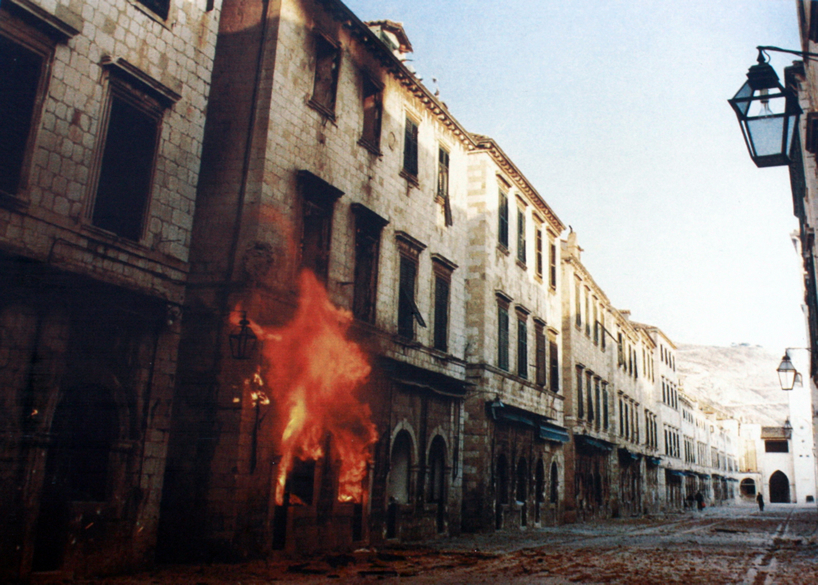
The siege of Dubrovnik
The siege of was a military engagement fought between the Yugoslav People’s Army (JNA) and Croatian forces defending the city of Dubrovnik and its surroundings during the Croatian War of Independence from October 1991 to December 1991. The JNA’s bombardment of Dubrovnik, including that of the Old Town—a UNESCO World Heritage Site—culminated on 6 December 1991 and Croatia became an independent country: in January 2023 Croatia joined the EU and also is now part of the Schengen Agreement,
Scotland
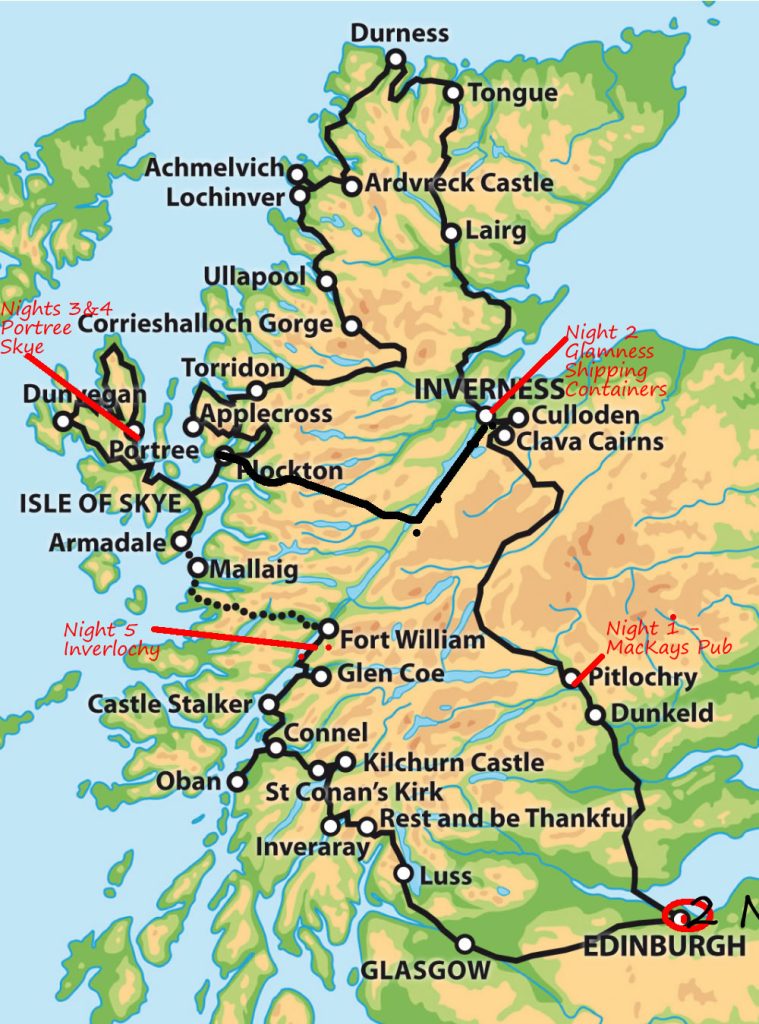
Scotland, what a different place from the Balkans! Flying into Edinburgh the temperature was a mild 15 degrees, which was really cold for us, so it was on with the puffer jackets and off to Edinburgh Castle for our history lessons. We took a guided tour which was a great way to get a quick overview of the history of the castle and the city. It was so cold up on the castle walls with the wind howling that after a cup of hot chocolate we needed to visit the Tartan Weaving Mill where John looked up his distant Scottish heritage and of course we purchased a wool/cashmere scarf in the family tartan which was put to immediate use.
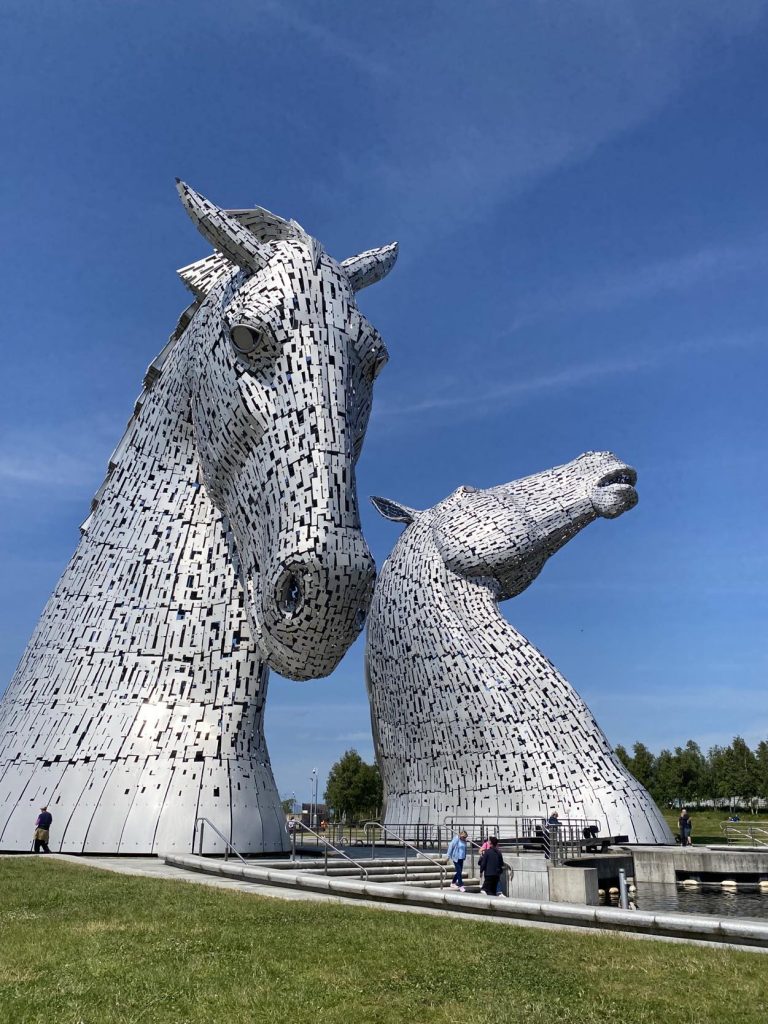
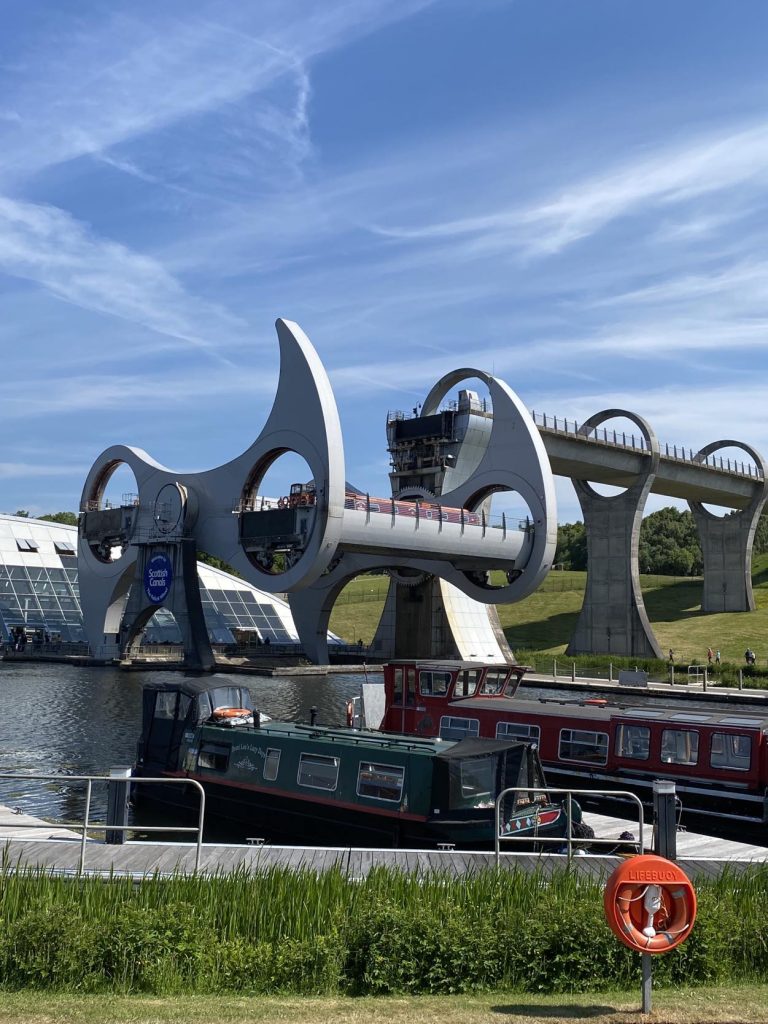
The following day we headed off north out of the city in our rental car for a six day race around the Scottish Highlands and over to Skye. Leaving Edinburgh we decided to skip Sterling Castle in favour of visiting the Falkirk Wheel, a rotating boat lift which connects two canals and saves boats many hours of locking up/down by cutting out 11 locks! An engineering feat indeed. Nearby we toured around the famed ‘Kelpies’ – 30m high steel structures of horses heads and the largest equine sculptures in the world. Sorry Australia, the Scots have got the biggest horse’s heads, but we still have the big prawn/banana/pineapple/lobster/crocodile/galah etc.
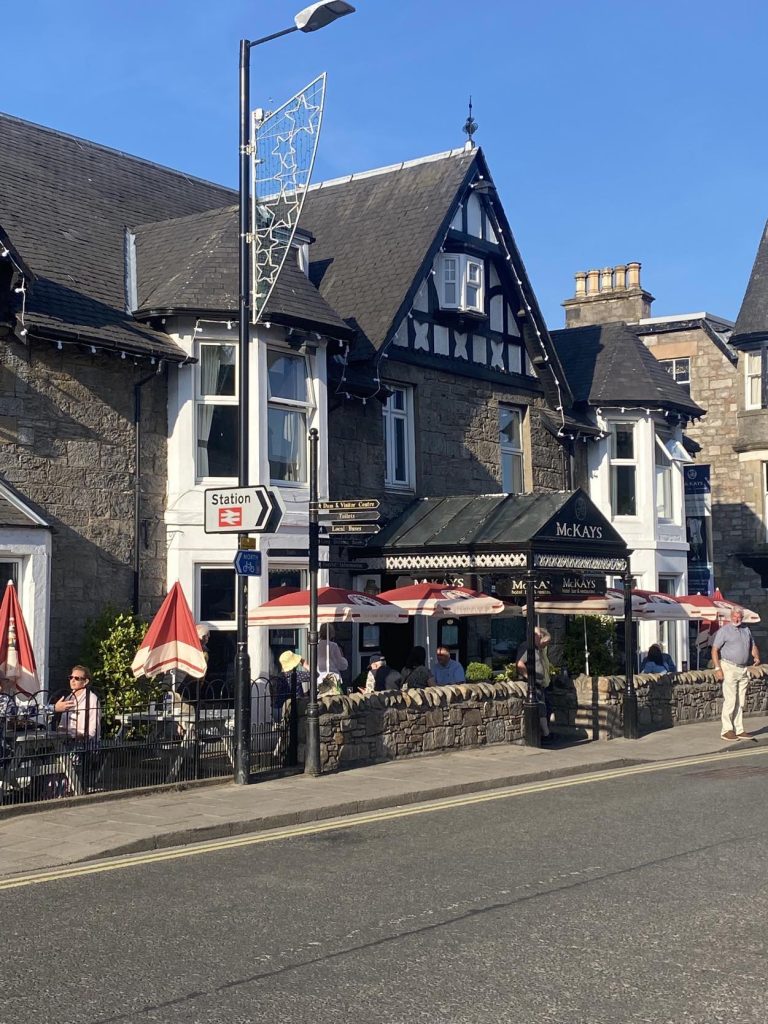
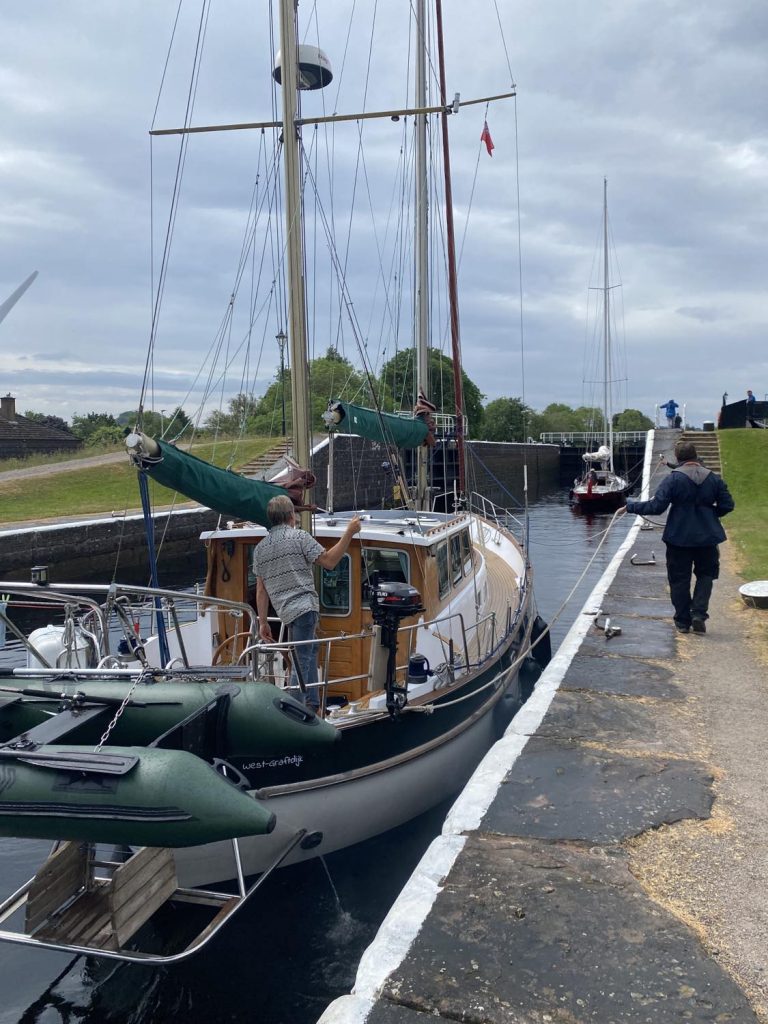
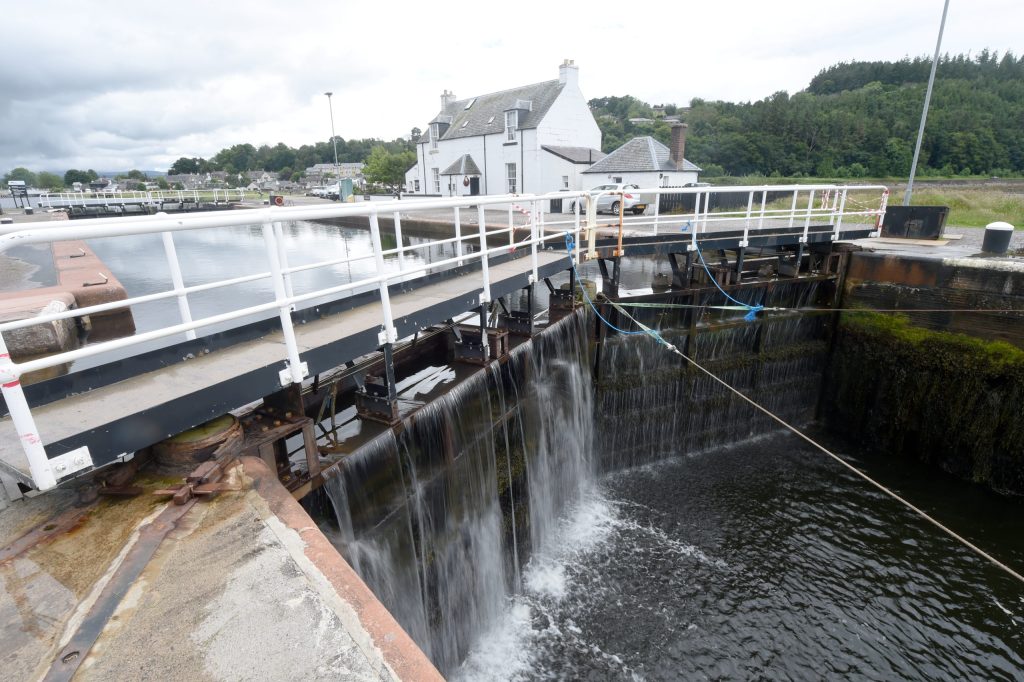
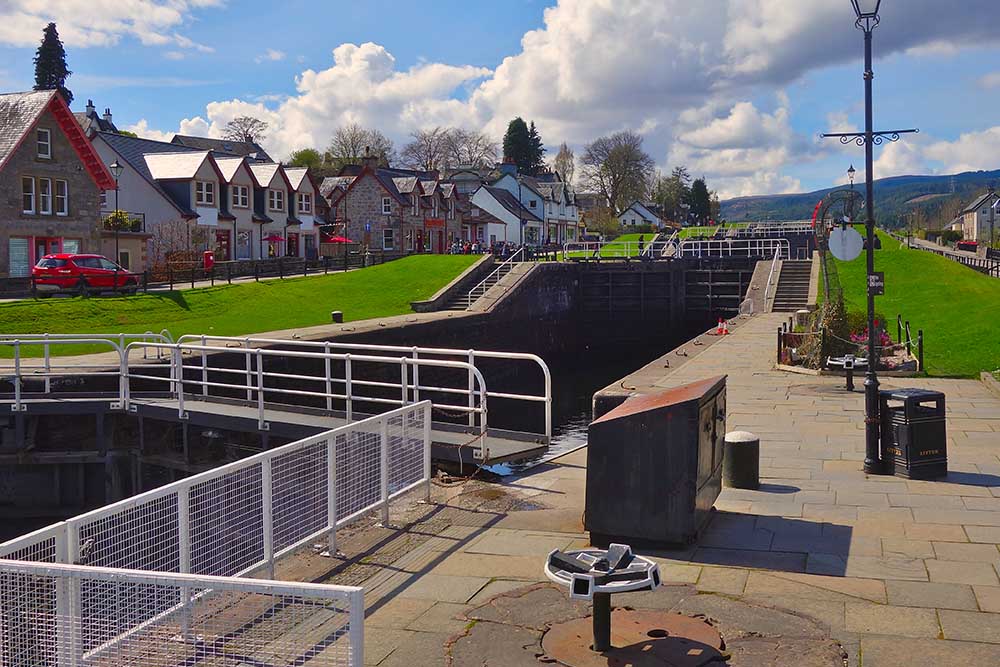
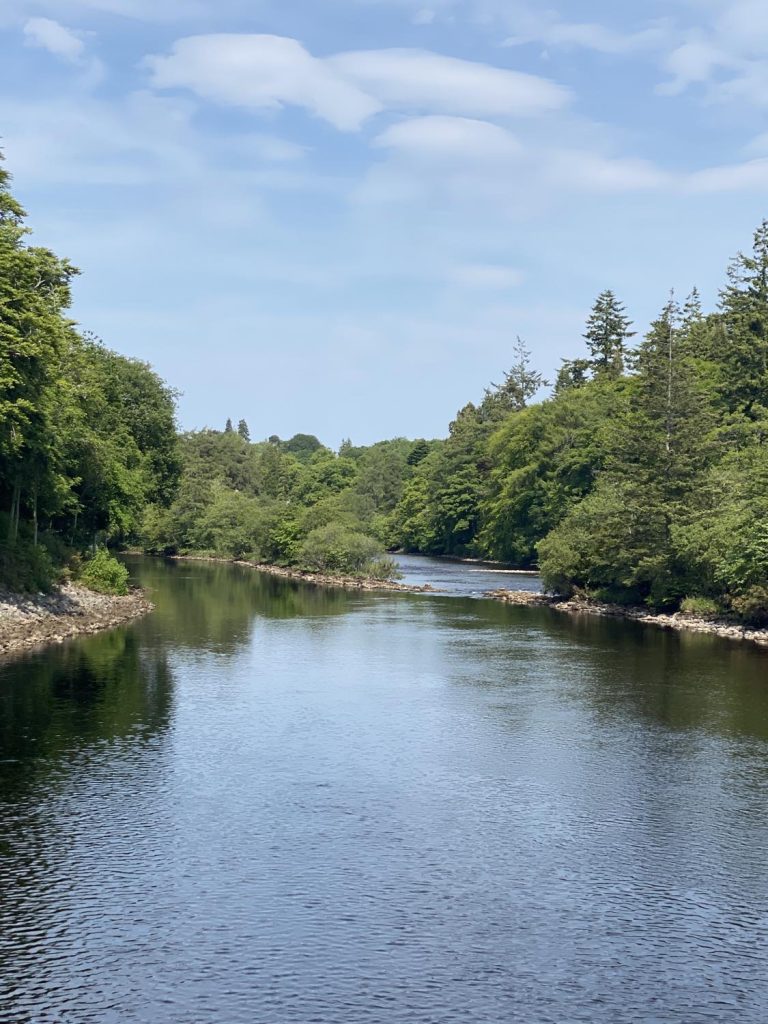
Next morning after a lovely breakfast at the hotel we were off in search of some good coffee and ended up at the eastern locks on the Caledonian Canal where a couple of sailing yachts were in the process of locking up from the entrance at Inverness to travel down through Loch Ness to Corpach, near Fort William and into Western Scotland. We got talking to one of the cruisers who had travelled from Sweden and were headed into the west to visit the Isle of Skye for a couple of months.The canal is approximately 96 km in length – 35 km of this is man-made, with the remainder being formed by the natural fresh water Loch Ness. The trip generally takes 3 days and cost for a 7 night return transit is only GPB 43.50 which includes overnight tie ups with showers and toilets and all the locks are manned by the lock operators so you don’t do any of the work. All very reasonable and civilised we thought. Makes the Corinth Canal look VERY expensive at EUR 264 for only 6.4 km for a boat our size.
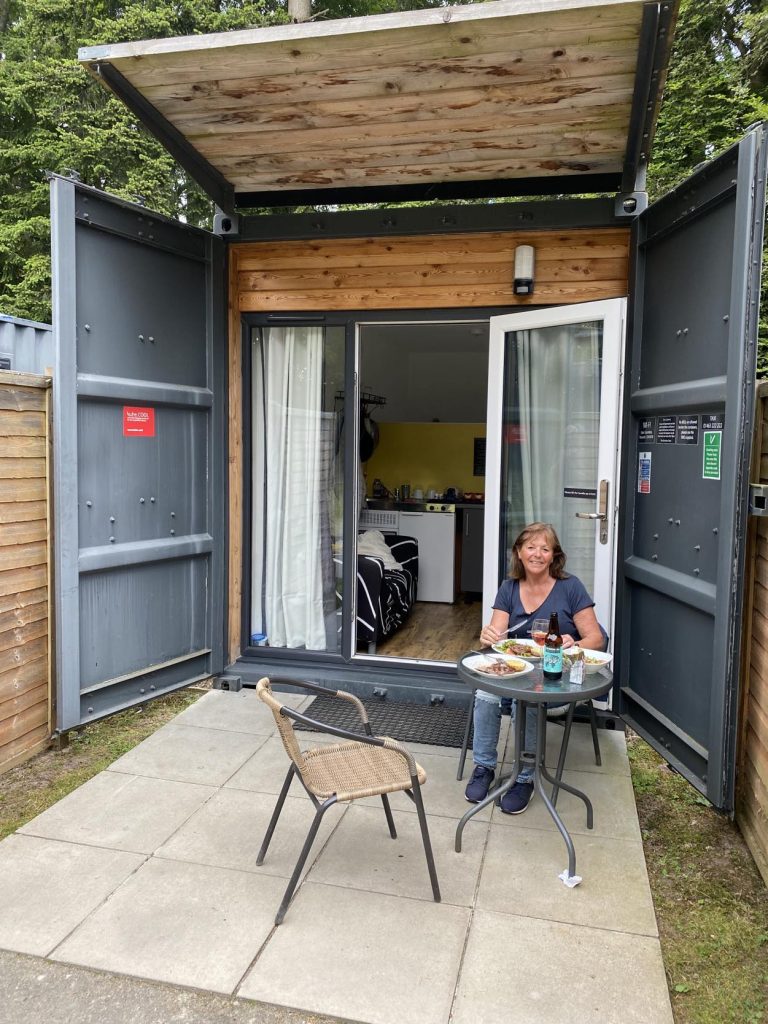
Our quirky accomodation for our second night was in a converted shipping container. This owner was sick of the demands running his BnB business combined with the demands of a young family. His beautiful house was set on a large plot of land and so he purchased seven fully fitted out shipping containers which he has put in a lovely grassed area with BBQ facilities. No council permits or permisions were required because they are removable buildings (despite having regular plumbing and electricity).
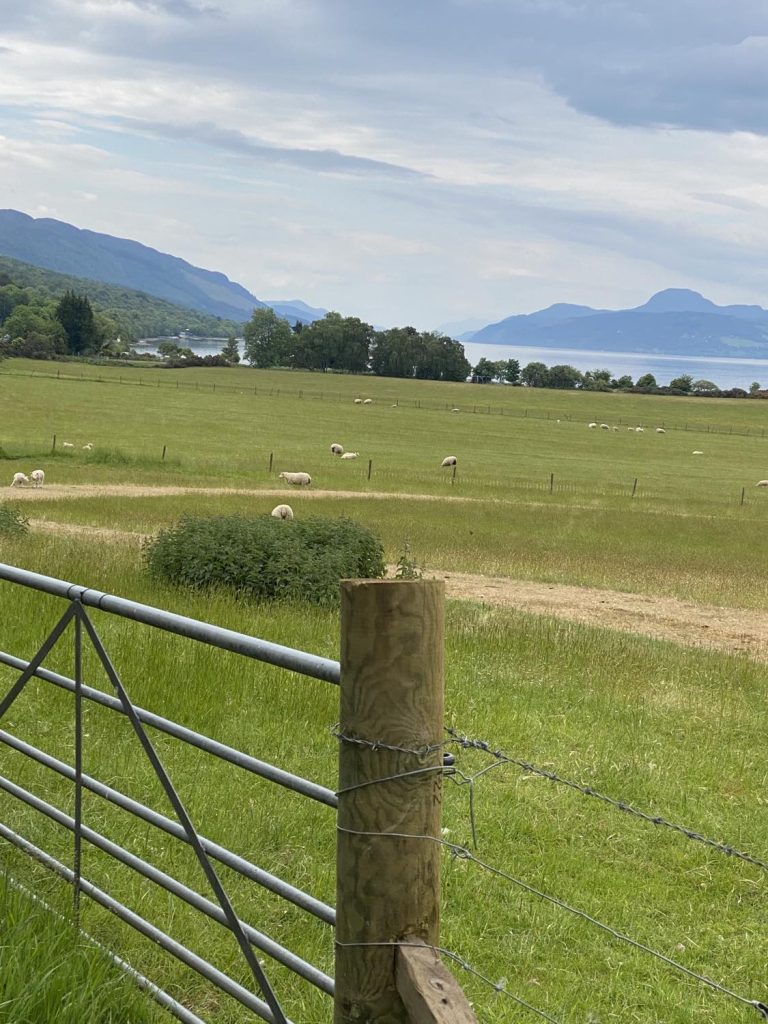
We carried on by car the next day down the eastern side of Loch Ness heading to Portree on the Isle of Skye to avoid the worst of the tourist buses and traffic. The road was mainly single lane with passing bays every 100 metres or so. Quite tiresome pulling in and out all the time but we were lucky enough to tag onto the end of a group of about 50 motorbikes out on their Sunday run down the lock and so most of the cars just gave way to us all! The scenery was magnificent on this lovely day, but alas, no ‘Nessy’.
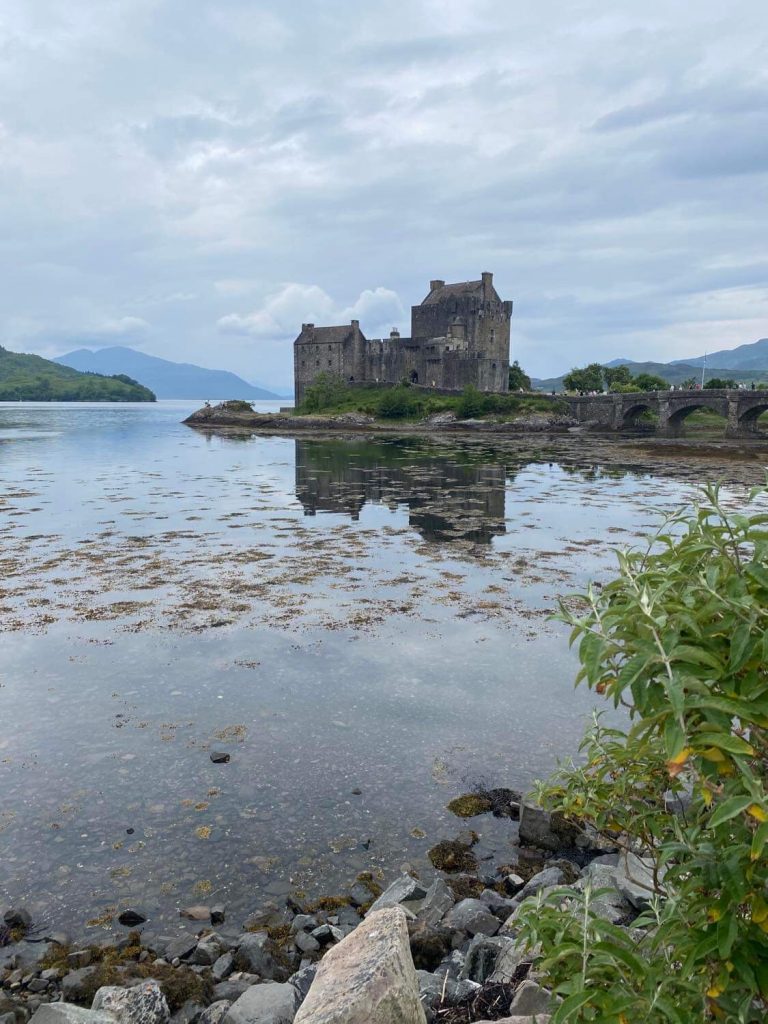
On our way to the bridge connecting to the Isle of Skye (at Kyle of Lochalsh) we stopped for a tour through Eilean Donan Castle. The castle is set at the meeting point of three sea lochs with a causeway and very long history. The name Eilean Donan, or Island of Donan, dates back to a 6th Century Saint Donan who formed a small community here in the late 7th century AD. Due to it’s strategic position the medieval castle was used to defend against the Vikings (800 – 1266 AD) and various other invaders. Canon emplacements were added in the 16th century and in the 17th century the castle was garrisoned by 46 Spanish soldiers who were supporting the Jacobite Uprising. The English got wind of this and sent three heavily armed frigates which mercilessly bombarded the castle for 3 days resulting in the Spanish surrender. The castle lay in ruins for the next 200 years until the 1900s when Colonel John Macrea-Gilstrap reconstructed it from the original plans and now The Conchra Charitable Trust maintains this wonderful landmark. Paying public can tour through almost all the rooms with life-like recreations of what life in the castle would have been like.
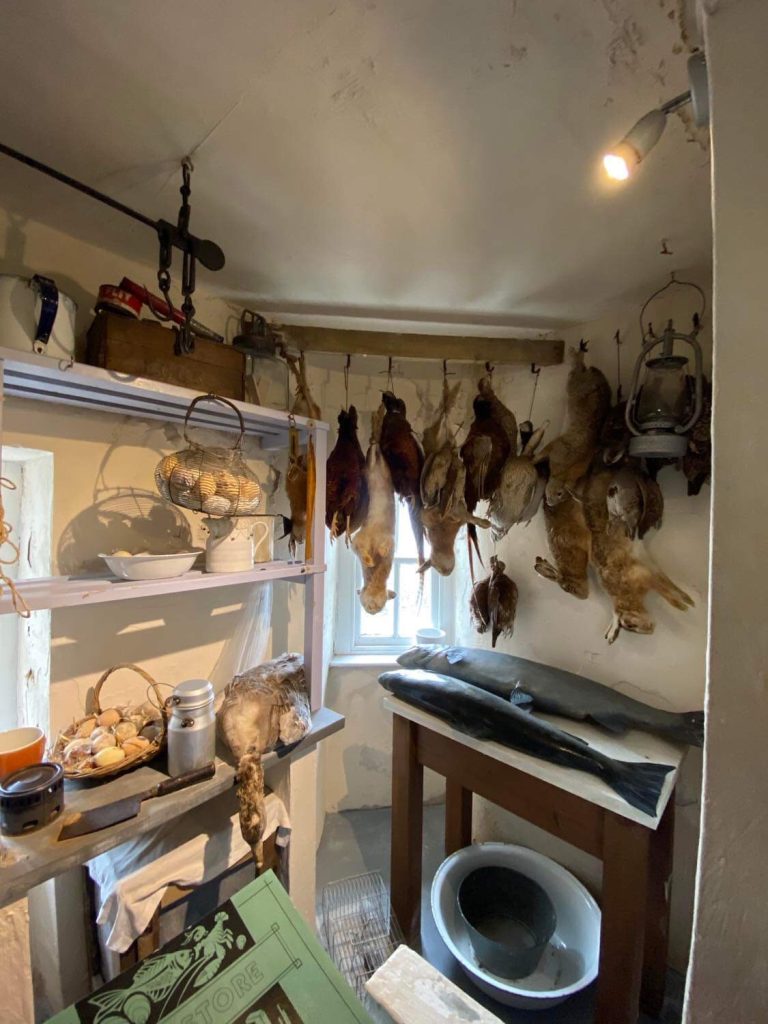
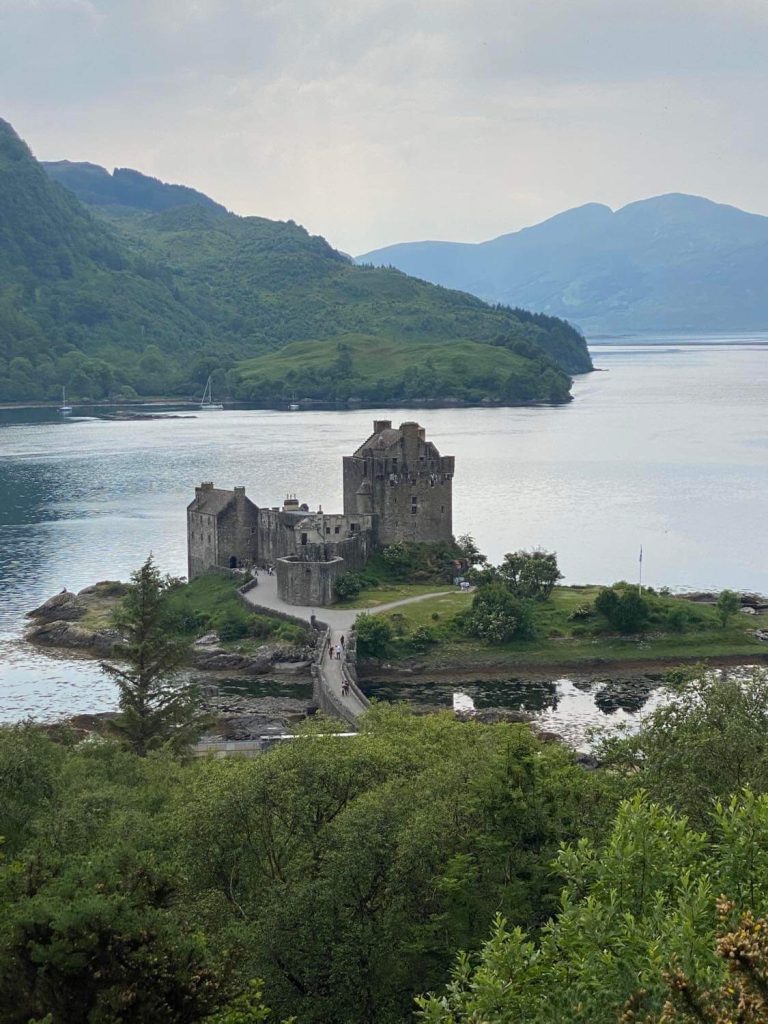
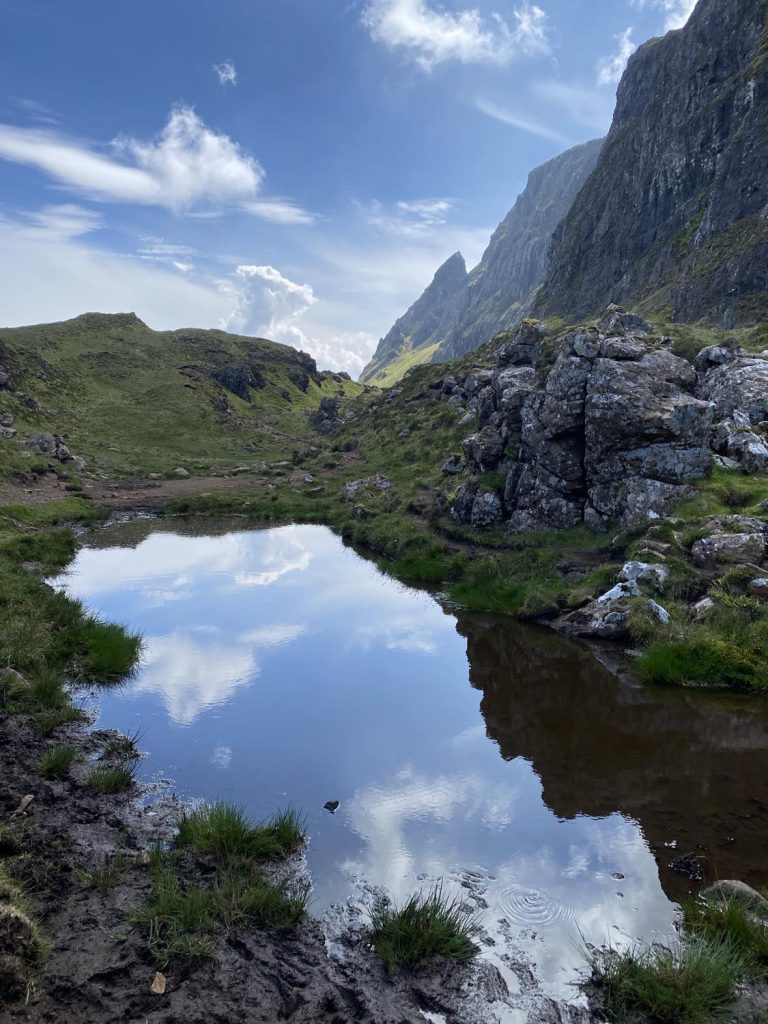
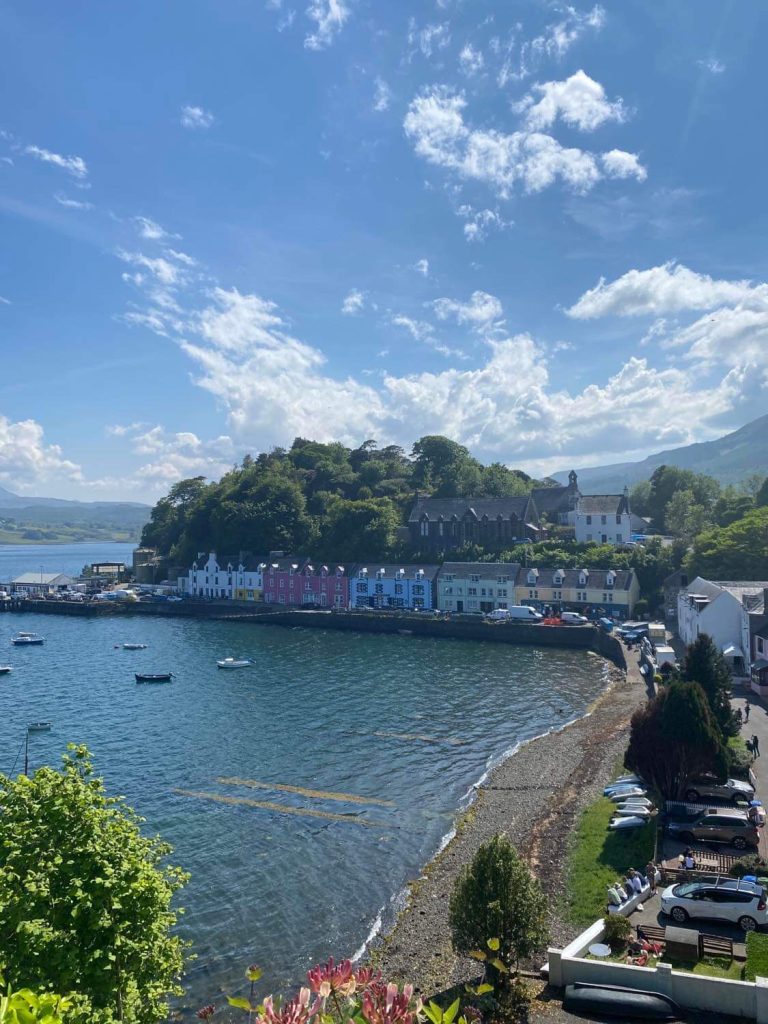
The Isle of Skye was another gob smacking place overfilled was quaintness and bracing highland walks. We could not avoid the tourists so just went with the flow and enjoyed a lovely day driving around the coast over the hills and through magnificent national parks. John ventured out on a three hour hike to see the Quiraing, an amazing area of natural beauty and rocks – really big craggy rocks. I stayed put in the car because a lot of the walking was on scree slopes so very easy to slip and fall. His ankle held up well and he did get some amazing photographs.
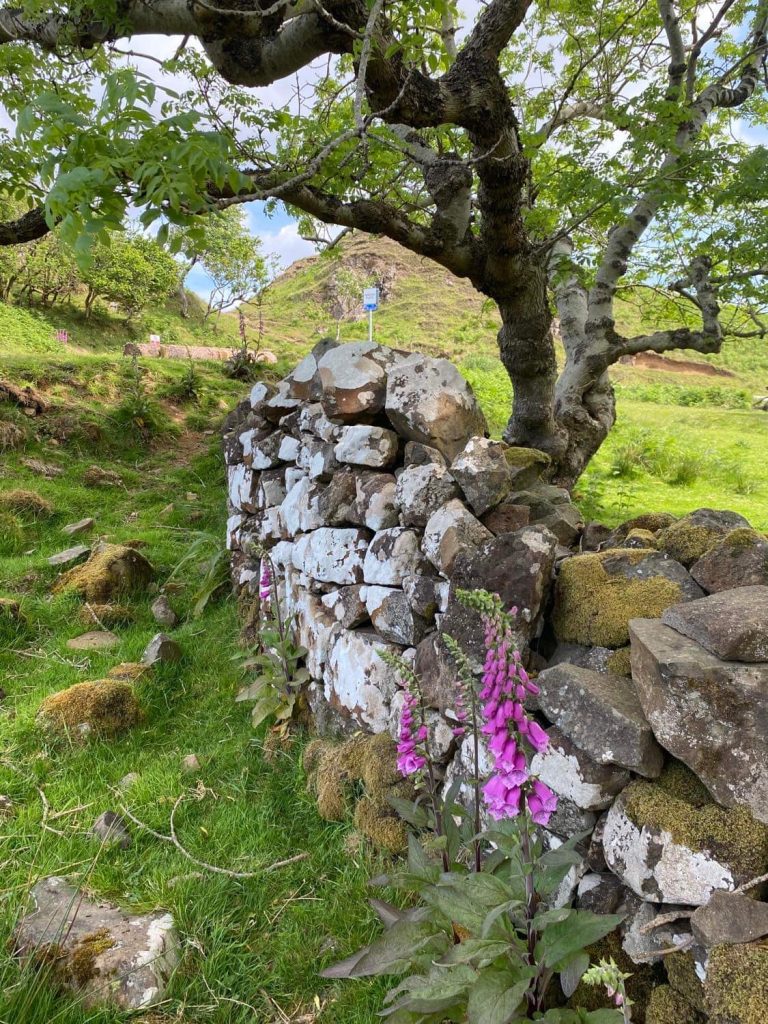
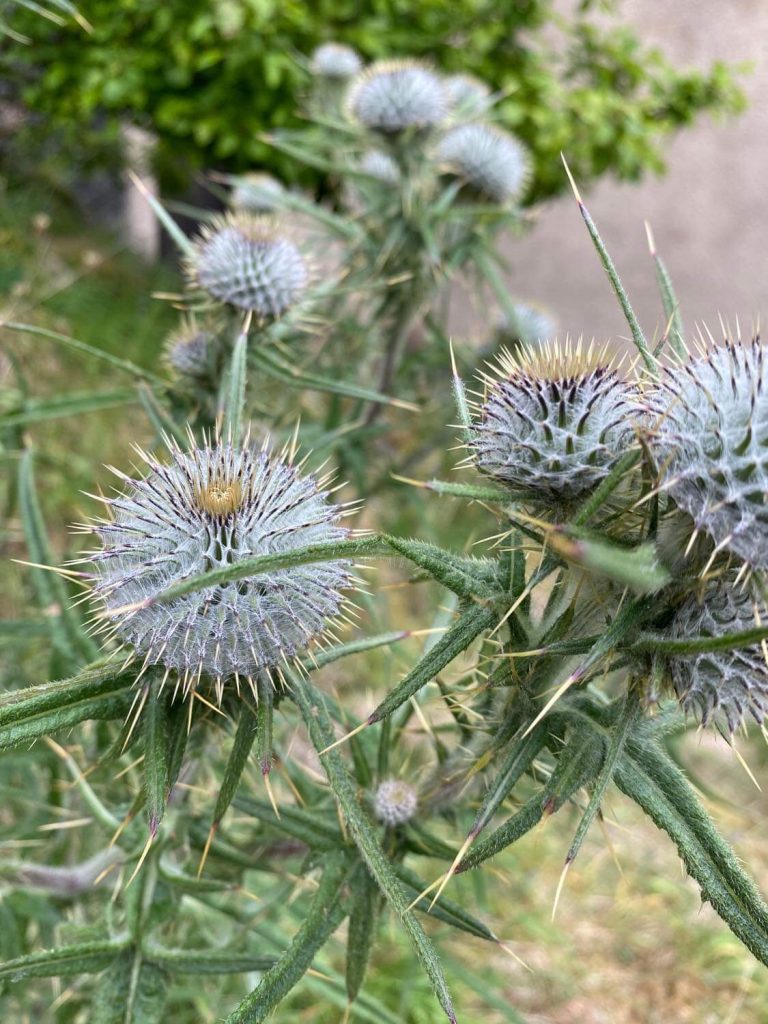
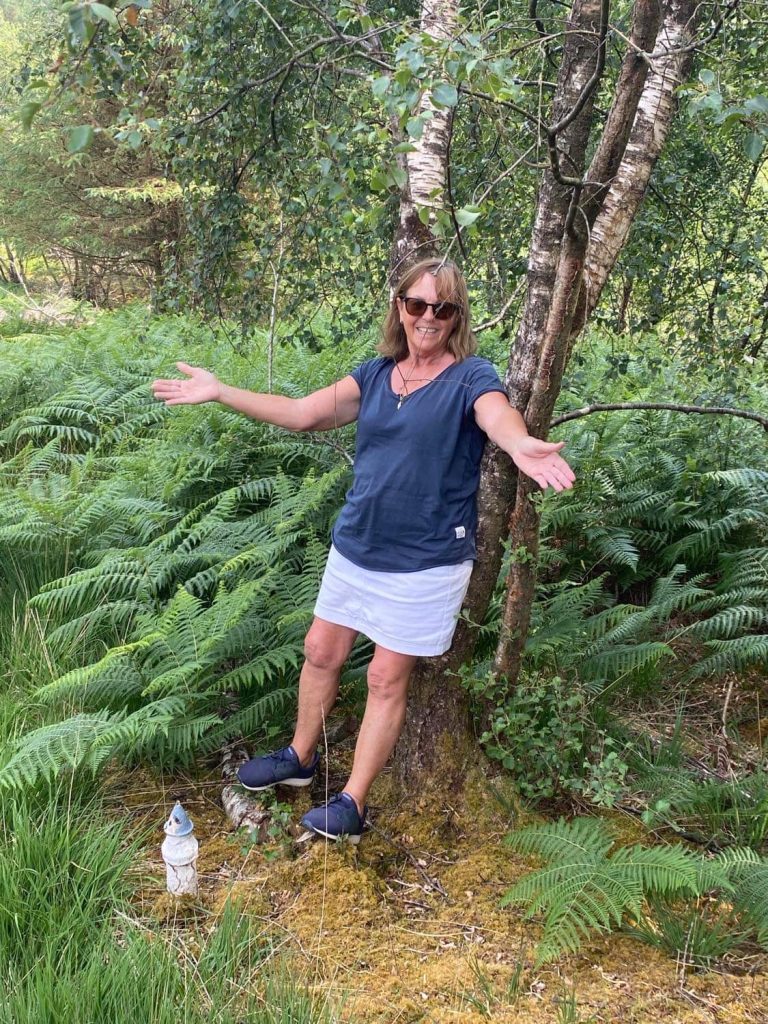
Back into mainland Scotland via the car ferry from Armadale to Mallaig we were staying next at Inverlochy (just outside Fort William) and realised it was not far from Kara’s plot of land in the Highland Titles Conservatory(www.highlandtitles.com) at Duror near Glencoe. For approximately AUD 60 you can buy a 1sqft souvenir plot of land in the Highlands Titles Conservatory area and also receive the title of Lord/Lady/Laird of Glencoe. Founded by Dr Peter Bevis in 2006 the idea was to sell plots from the family land to fund tree planting and conservation/restoration of previous forestry and farming land. The project has grown now to managing over 800 acres of beautiful scottish highlands. In the same lighthearted vein we decided to visit the nature reserve and locate Lady Kara Jane McCormick’s plot. We had a photo of her certificate and the helpful ranger in the office looked up the GPS co-ordinates. Armed with a map we set off through some lovely paths, over streams and bush bashed our way to locate said 1 foot square piece of land. We placed a small gnome to mark the spot – such a laugh.
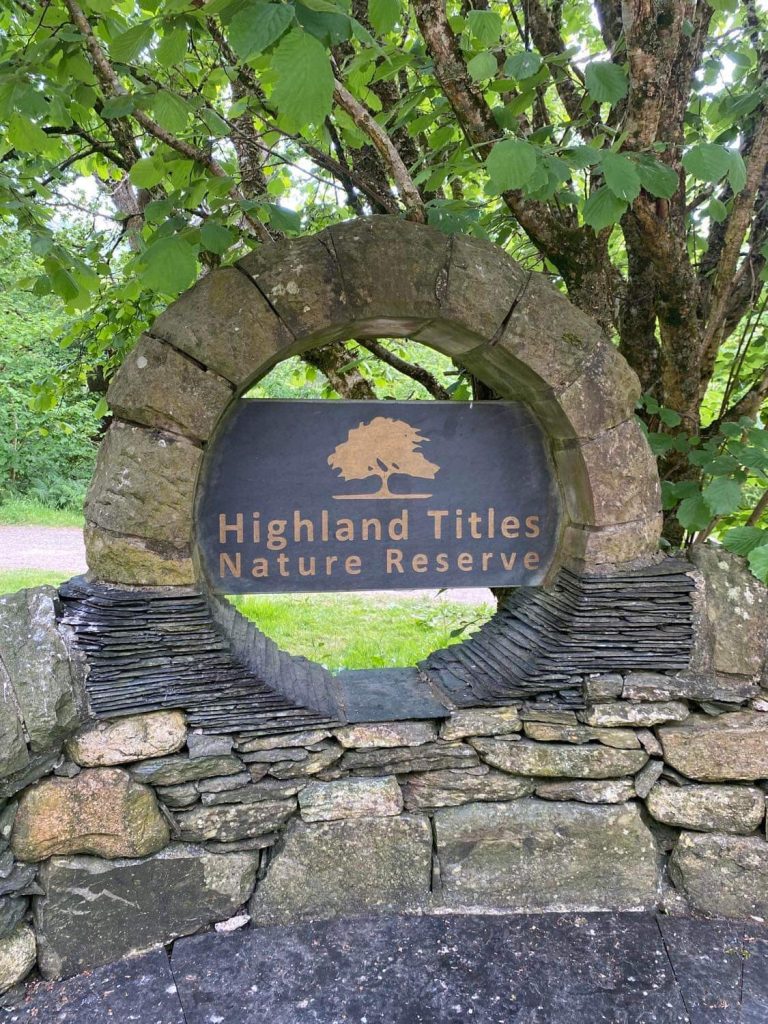
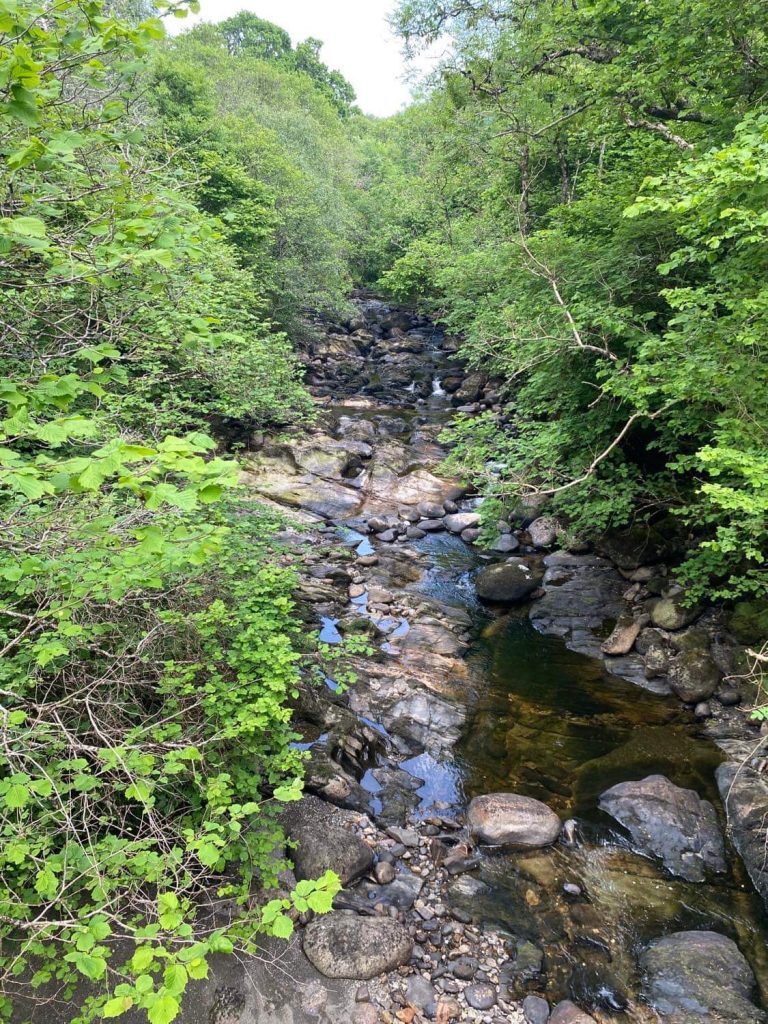
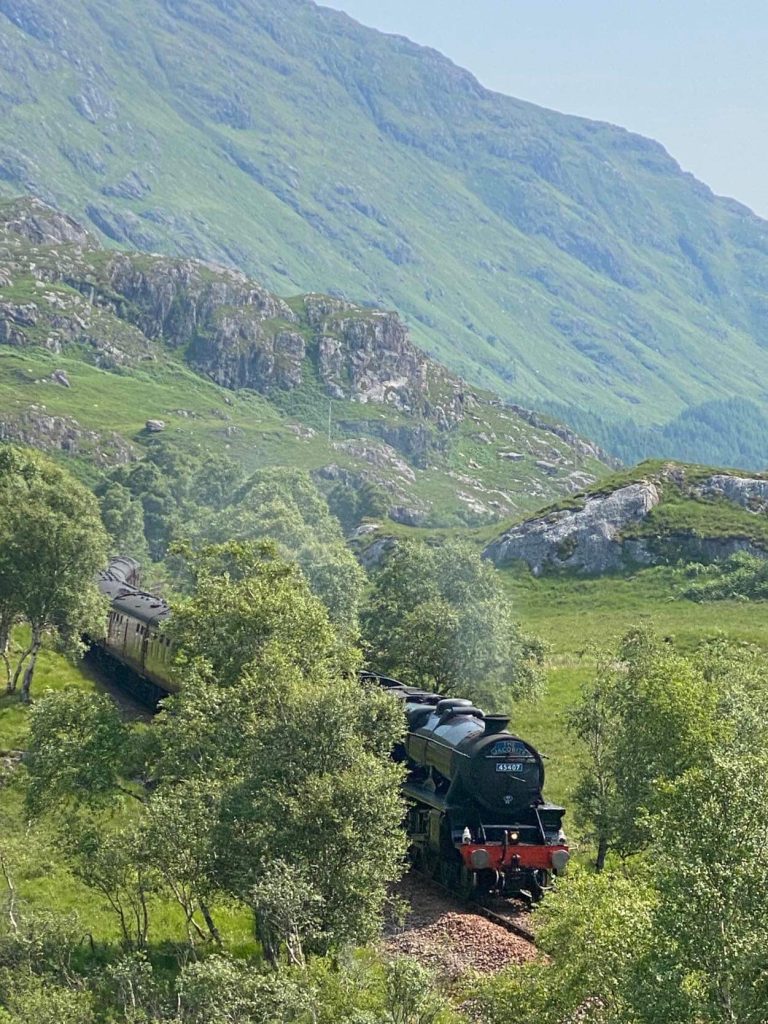
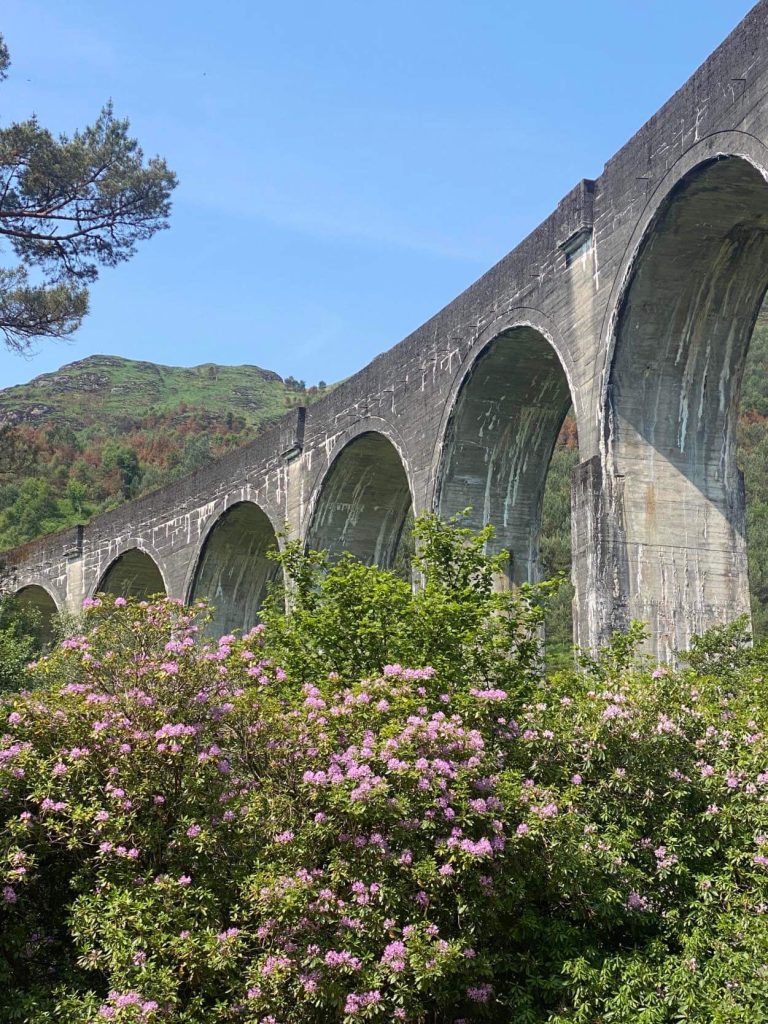
We would have liked to go on a trip on the Harry Potter steam train (Jacobite Express) from Fort William to Mallaig but unfortunately ran out of time. We did however manage to see it steaming across the countryside just past the twenty one arched Glenfinnan Viaduct, which was well worth a look.
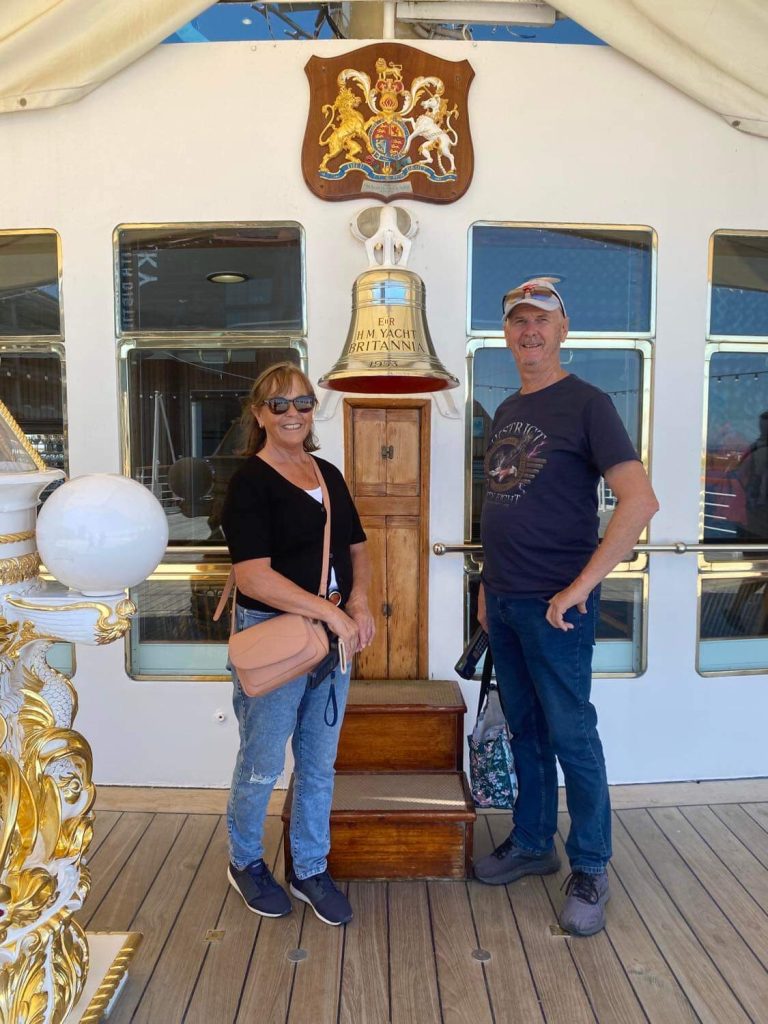
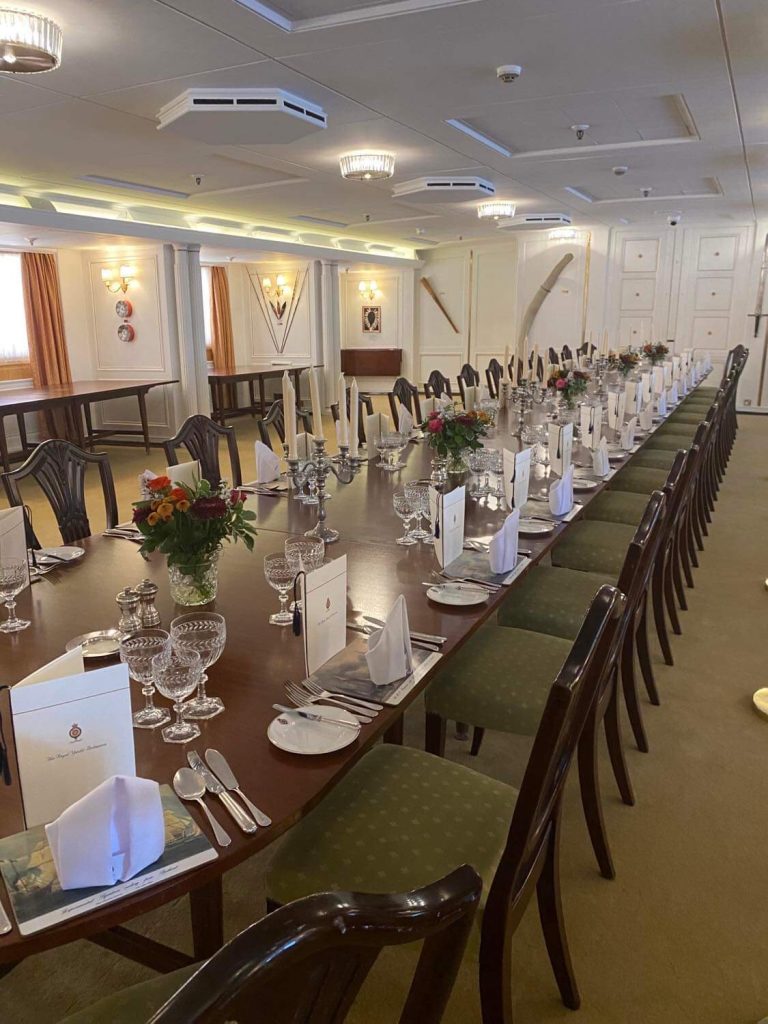
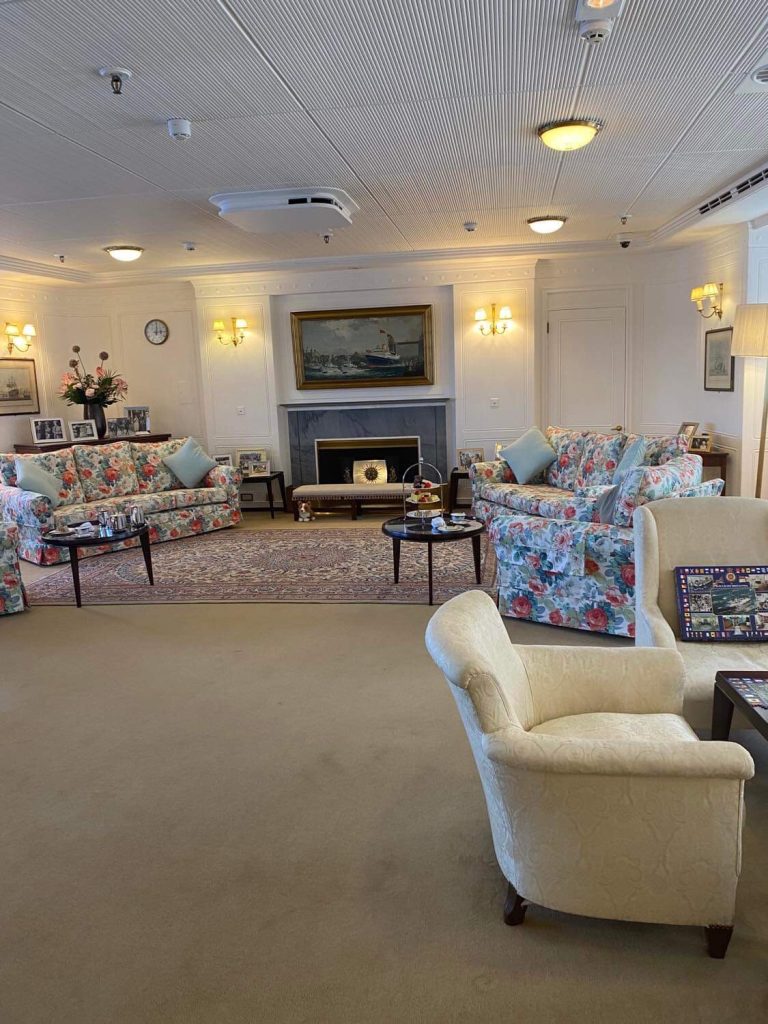
We booked an extra couple of nights back in Edinburgh because one attraction I really want to see and tour was the Royal Yacht Britannia, built in 1953 for Queen Elizabeth II and taken out of commission in 1997, now a permanent exhibition at Ocean Terminal, Leith, Edinburgh and open to the public. Surprisingly to me it was not a huge glitzy showpiece. At 412 ft she is quite small by today’s standards but she was the Queen’s favourite ‘home away from home’.
Edinburgh to York
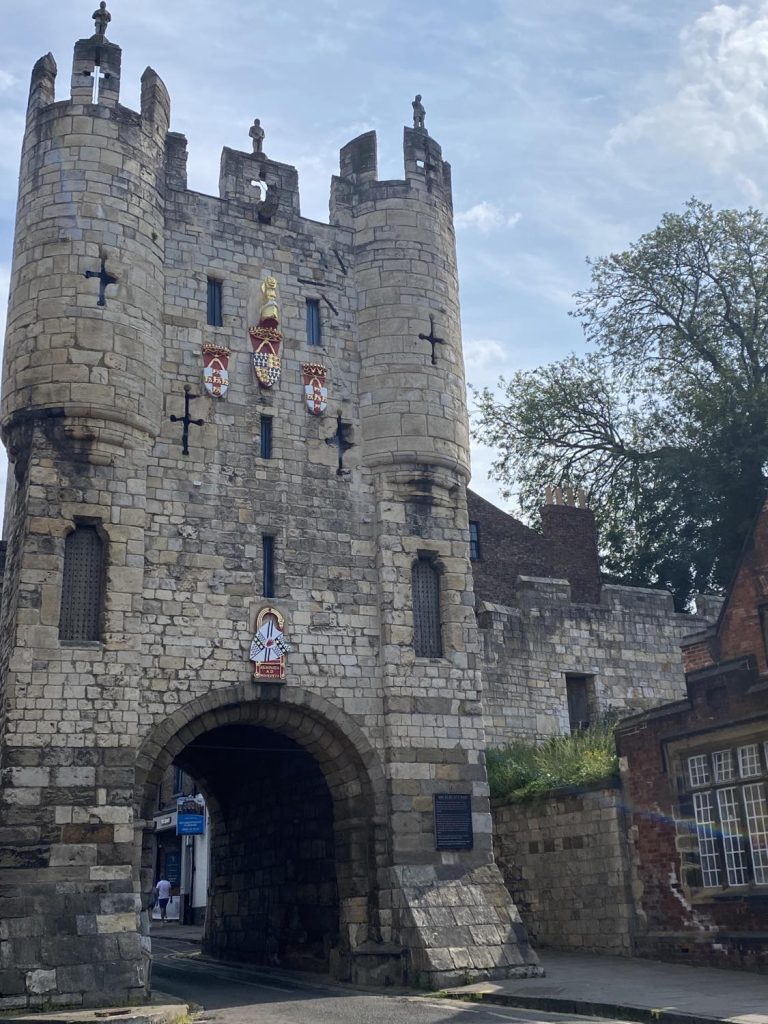
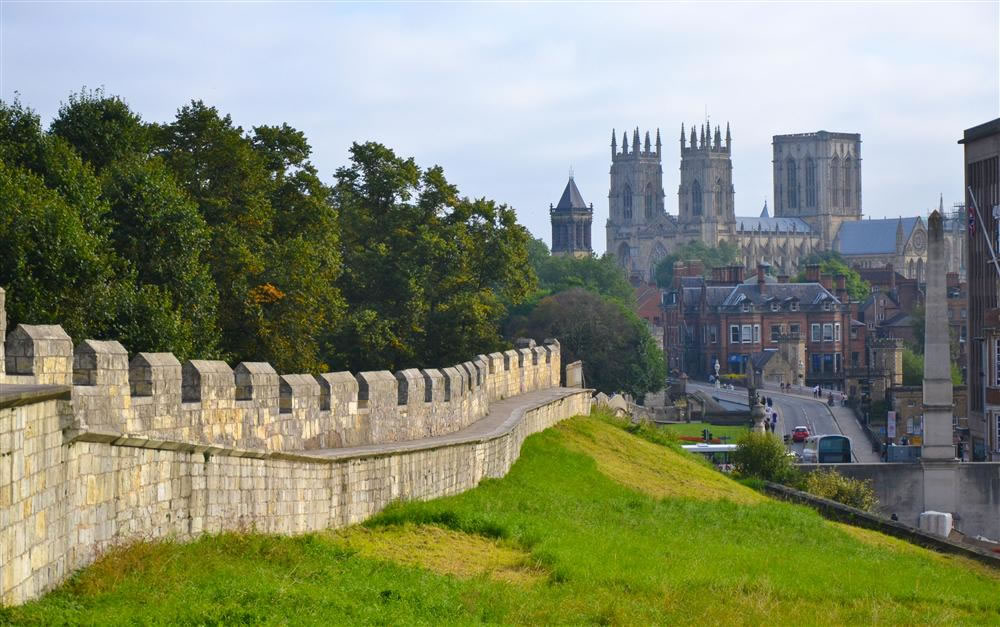
We knew nothing about the town of York except that this was where the famous York Minster Cathedral was situated so took the opportunity to spend a few days here in a very interesting wonky 2nd storey apartment above a trendy cafe where they cooked up delicious breakfasts and lunches The morning smells of coffee and cooked breakfast would permeate through the old timber floors ensuring we had to get up early! York has more miles of intact medieval city walls than any other cities in England and you can walk along them – for free! Our apartment was within the city walls on Mickelgate just inside Mickelgate Bar. Before we go on, a Bar is a gatehouse and a gate is a road (Old Norse derivation). The four main Bars punctuating the walls are Bootham Bar, Monk Bar, Walmgate Bar and Micklegate Bar and in medieval times restricted traffic, collected tolls and were used a defensive barriers.


We availed ourselves of a free city guided tour with an extremely enthusiastic and knowledgeable local who gave us five hours of his time instead of the usual three. The original walls were built by the Romans around 71 AD to protect their fort on the River Ouse. The Multangular Tower standing 30 feet in the Museum Gardens is the most intact structure from those times. At 15 feet the walls narrow to a thickness of 5 feet and in the 13th century a further 11 feet was added in which arrow slits can be seen. In approximately 867 the Danes occupied the city and demolished all the towers except the Multangular. The majority of walls remaining date from 13th – 14th century. The walls were repaired during the mid 1600s and again later during the Jacobite Uprisings due to fears of an invasion from Scotland. Later the Victorians restored and widened the walls so they could walk around the city and enjoy the sights from up high. We got some great views of York Minster from this vantage point as well as being able to see into a beautiful wedding in progress in the back of the church grounds.
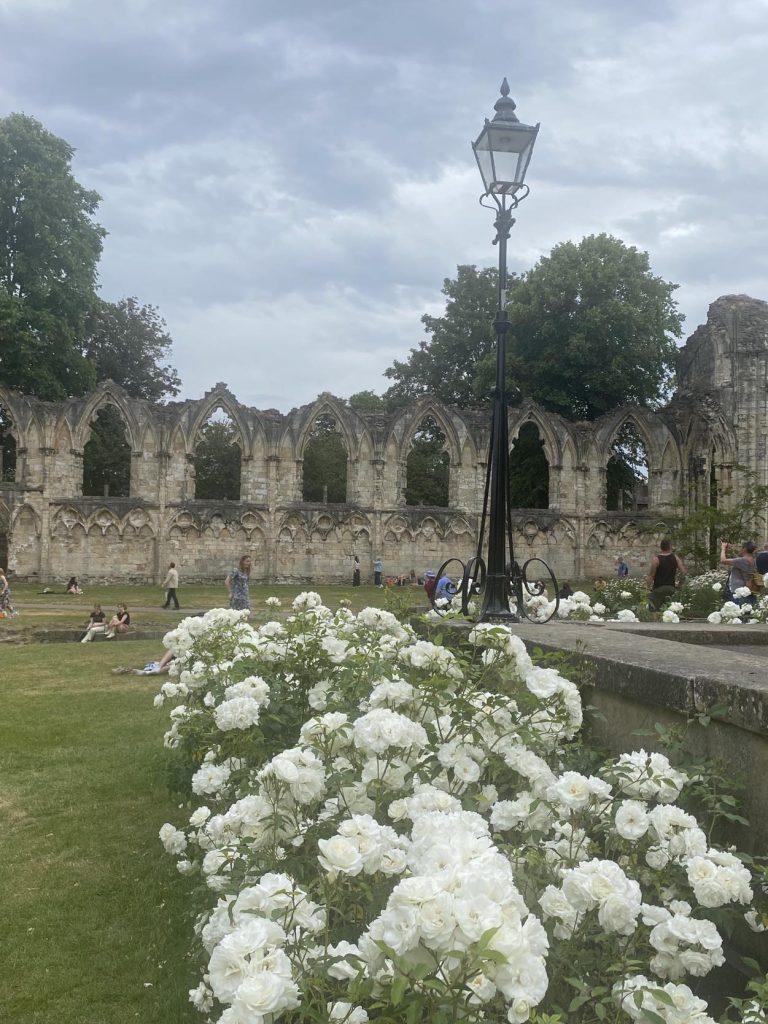
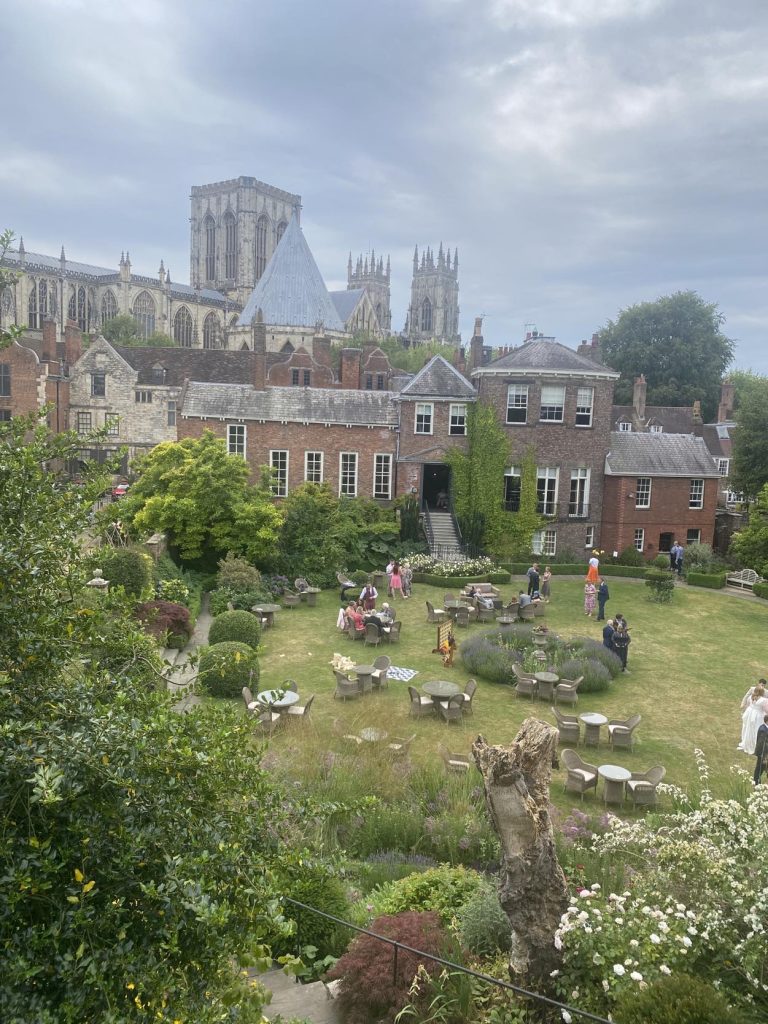
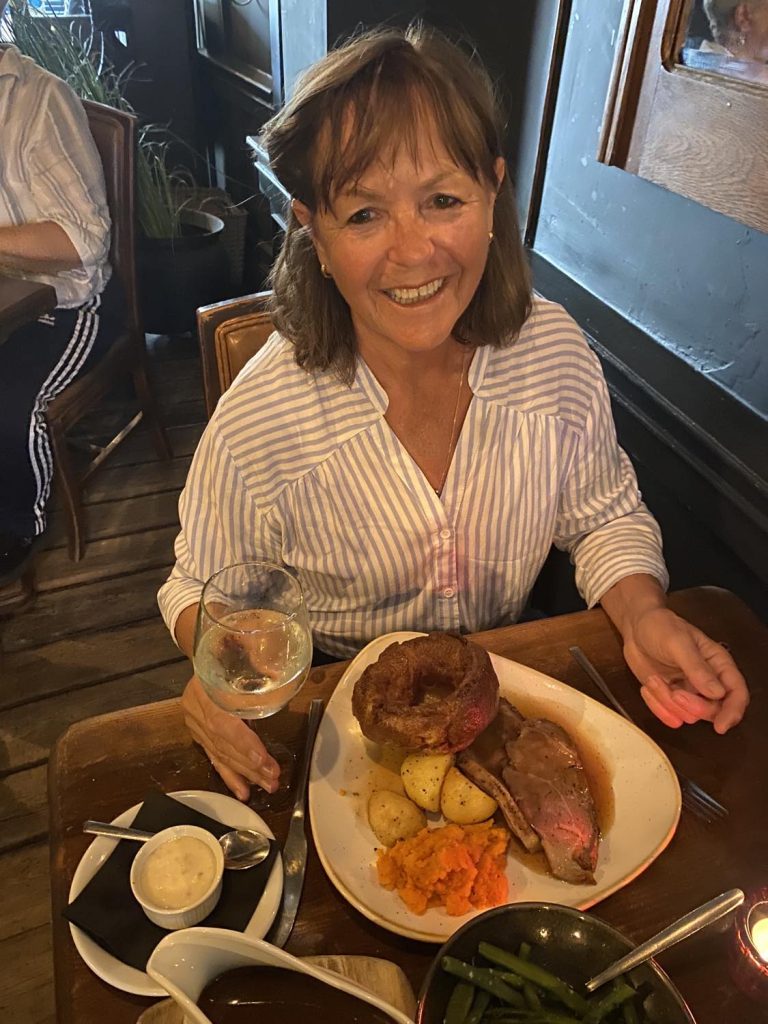
Dinner on our last night in York was traditional Sunday roast with Yorkshire pudding. We were at the Guy Fawkes Inn named after the famous plot to kill the King. Below is the rhyme telling the story:
REMEMBER REMEMBER THE 5TH OF NOVEMBER, GUNPOWDER TREASON AND PLOT. I SEE NO REASON WHY GUNPOWDER TREASON SHOULD EVER BE FORGOT. GUY FAWKES ‘TWAS HIS INTENT, TO BLOW UP PARLIAMENT. THREE SCORE BARRELS WERE LAID BELOW, TO PROVE OLD ENGLAND’S OVERTHROW. BY GODS MERCY HE WAS CATCHED WITH A DARK LANTERN AND LIGHTED MATCH. HOLLER BOYS, HOLLER BOYS, LET THE BELLS RING, HOLLER BOYS, HOLLER BOYS, GOD SAVE THE KING
Sussex
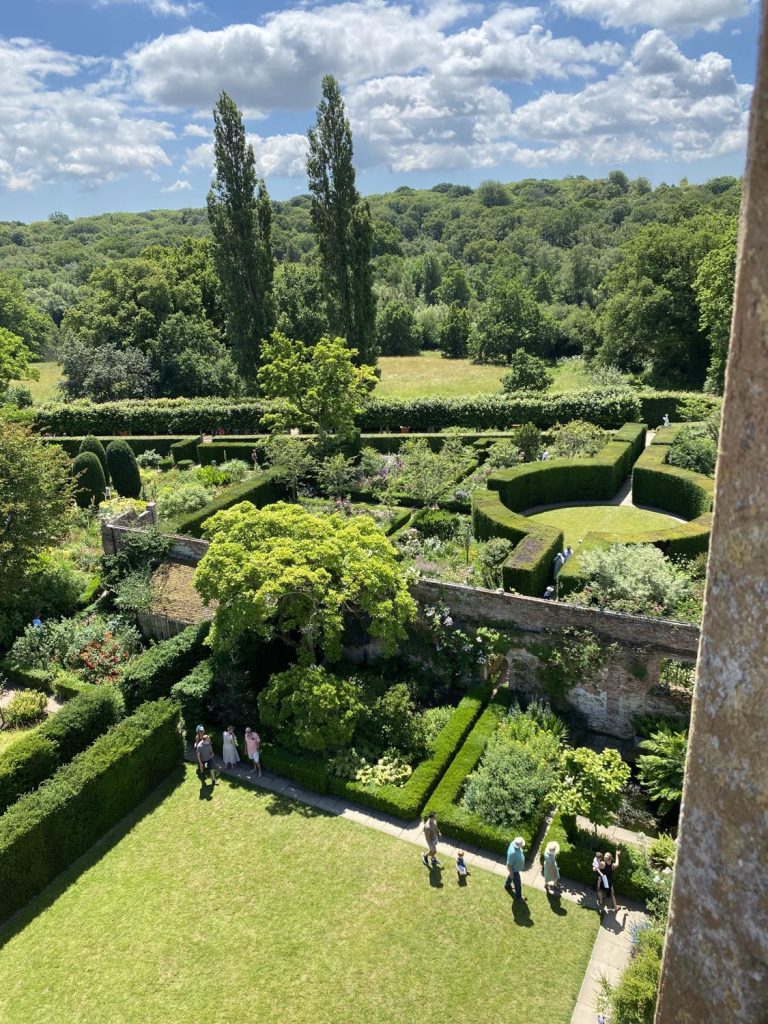
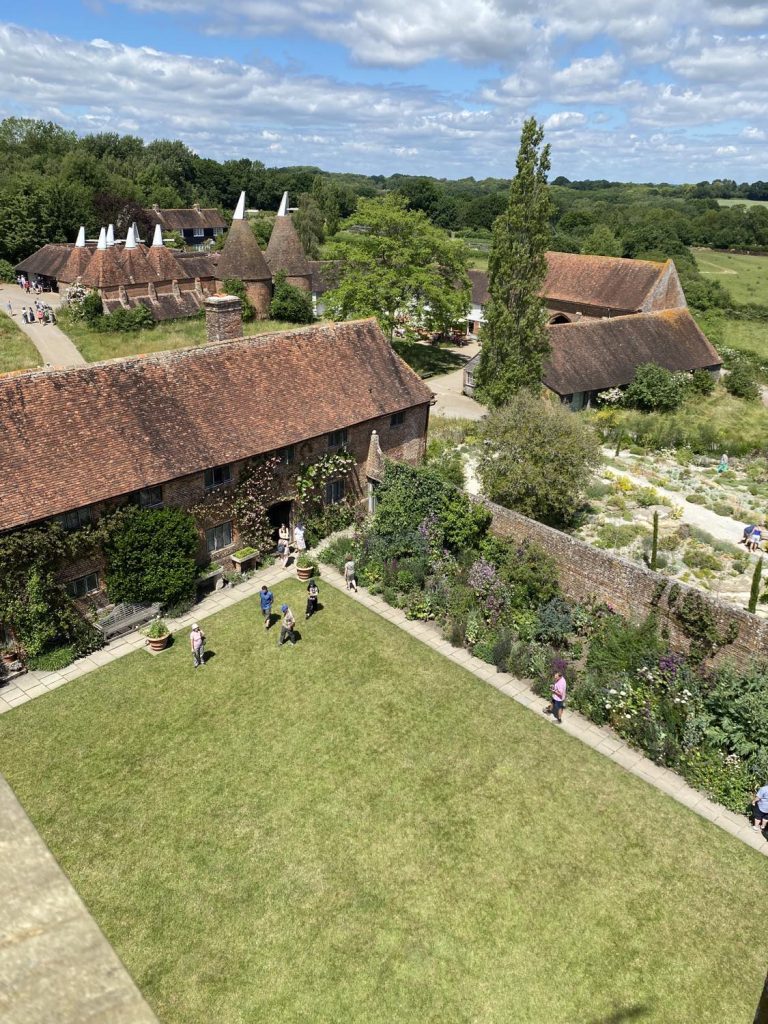
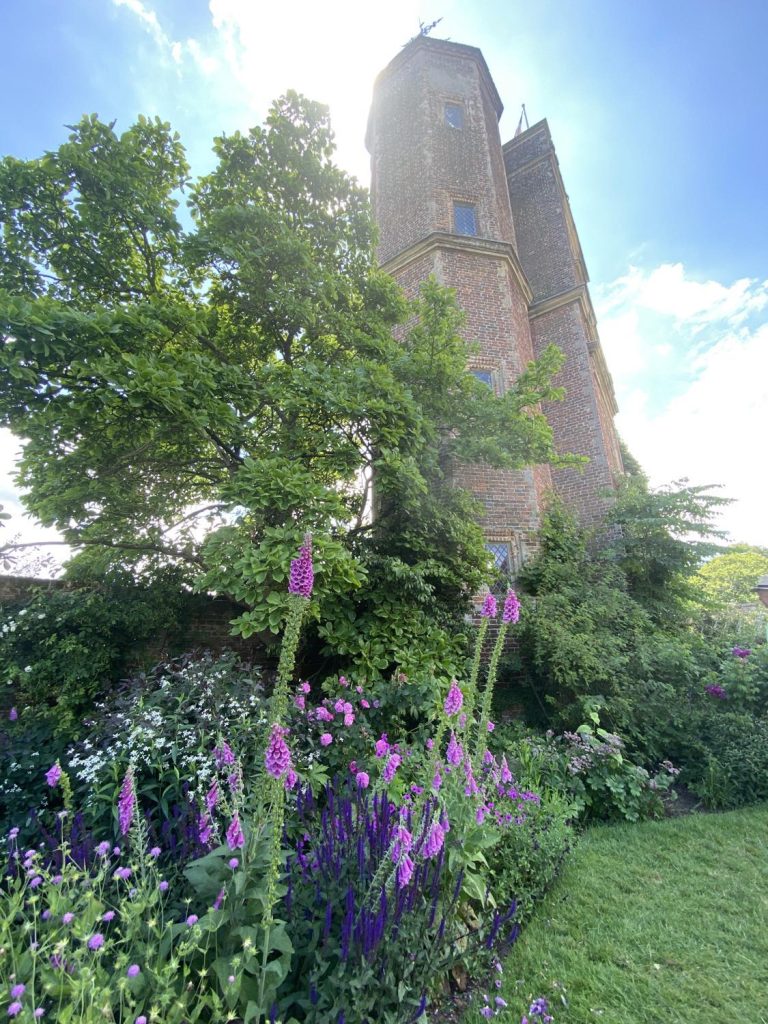
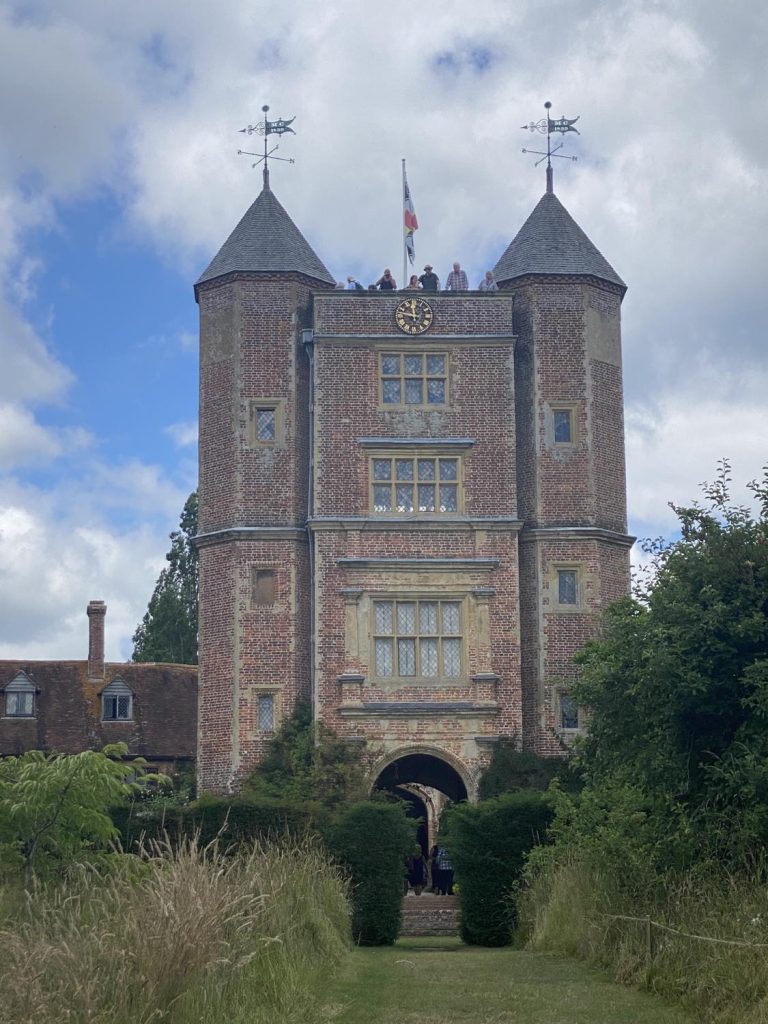
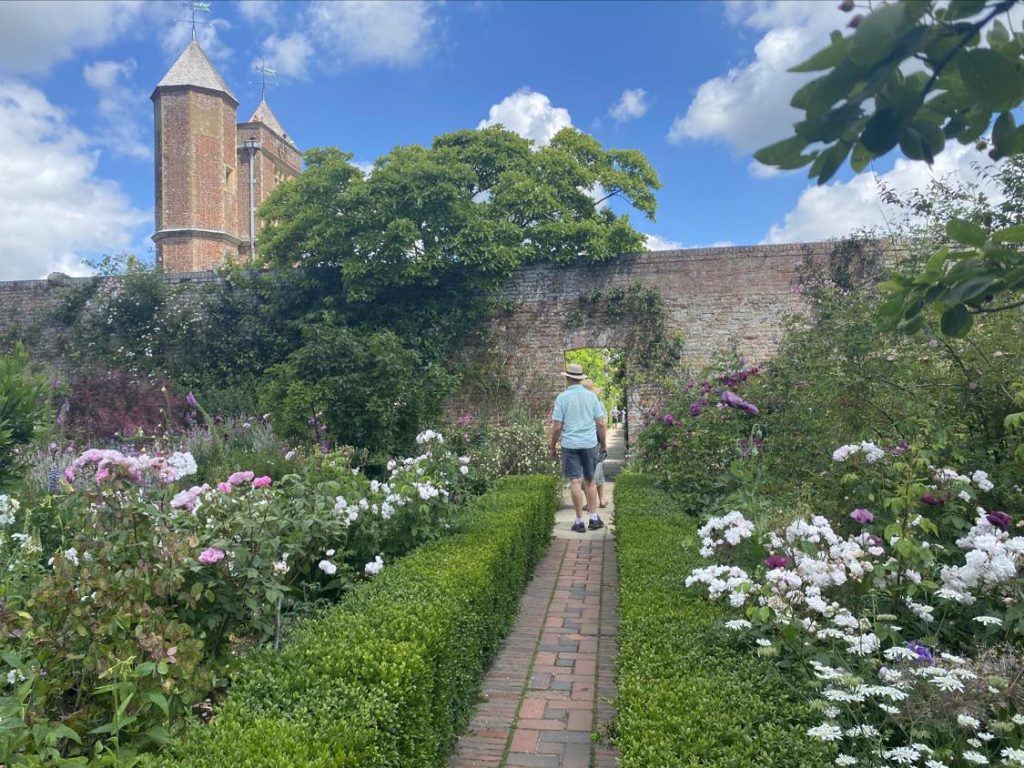
For the final part of our enforced time away from the boat we were lucky enough to be welcomed into the home of Alex, Ann (John’s sister), Charlotte and Ben in the beautiful countryside of East Sussex. We had about 8 days here and managed do a few lovely walks, go up to London by train for the day and have a wonderful visit to the famous Sissinghurst Gardens for a picnic in the meadow.




Our trip up to London was to have a few hours with our old friends, Jeff and Heidi (our boat buddies in 2000 sailing together right across the pacific on Matiti II, their Catana catamaran). We met for lunch and a catch up, but the ironic thing is they have lived in Queenstown, NZ, for the past few years and we both had to go half way around the world to catch up!

9 comments